Gunsmiths of Darra Adamkheil Artisans of Heritage and Craftsmanship
Nestled in the rugged terrains of Khyber Pakhtunkhwa, Darra Adamkheil stands as a testament to the rich history and cultural diversity of the region. This historic pass and town have long been a vital gateway connecting the tribal areas with the rest of Pakistan and Afghanistan, playing a significant role in the area’s strategic and cultural landscape.Darra Adamkheil, a historic mountain pass in Khyber Pakhtunkhwa, is renowned not only for its strategic importance and cultural richness but also for its centuries-old tradition of craftsmanship particularly its skilled gunsmiths. The gunsmiths of Darra Adamkheil have been integral to the region’s identity, preserving a craft that intertwines artistry, history, and survival.
The Legacy of Gunsmithing in Darra Adamkheil
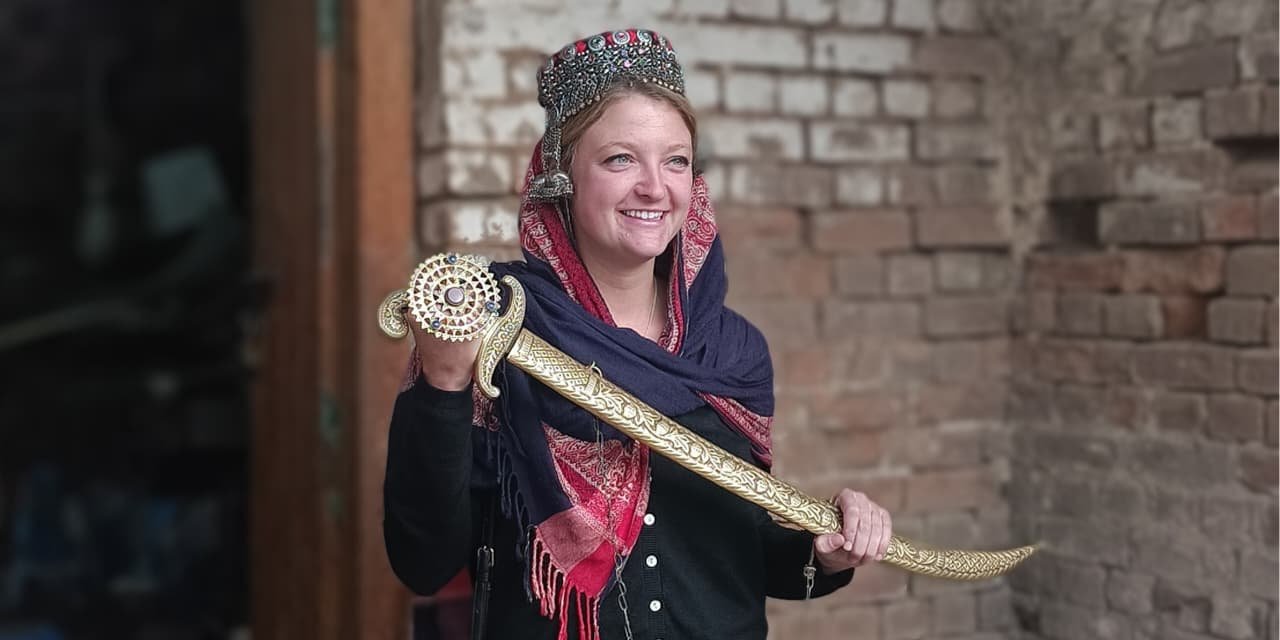
The art of gunsmithing in Darra Adamkheil dates back generations, with skills passed down through families. These artisans are renowned across the tribal regions for their ability to craft, repair, and customize firearms, which are essential tools for hunting, self-defense, and tribal ceremonies.The gunsmiths of Darra are often seen as custodians of a traditional craft that combines metalwork, woodworking, and intricate decoration. Their craftsmanship reflects a deep understanding of firearms mechanics and an artistic flair that makes each piece unique.
Historical Significance
Historically, firearms have played a vital role in the tribal societies of Khyber Pakhtunkhwa. They symbolize strength, honor, and self-reliance. Darra Adamkheil’s gunsmiths emerged as central figures in this cultural landscape, providing the local tribes and neighboring regions with weapons that were not only functional but also works of art.
During times of conflict and tribal disputes, these gunsmiths were crucial in ensuring their communities were armed and protected. Their expertise was highly valued, and their craftsmanship often carried symbolic significance, with some firearms adorned with traditional motifs and engravings.
Skills and Techniques
The traditional gunsmithing process is a meticulous craft. It involves forging metal barrels, assembling firing mechanisms, and decorating the firearms with engravings, inlays, and carvings — often reflecting tribal symbols and motifs. The artisans typically work with locally available materials, including steel, wood, and sometimes precious metals.
Many gunsmiths also repair and refurbish old weapons, preserving the historical integrity of firearms that have been passed down through generations. This continuity of craft ensures that the cultural heritage remains alive.
Challenges and Modern Trends
In recent decades, modernization and changing economic circumstances have posed challenges to traditional gunsmithing in Darra Adamkheil. The influx of mass-produced firearms and increasing regulation has impacted the demand for handcrafted weapons.However, the craft persists among a dedicated few who see it as a cultural heritage worth preserving. Some artisans are now blending traditional techniques with modern tools, aiming to sustain this unique art form for future generations.
Cultural and Social Role
The gunsmiths of Darra Adamkheil are respected members of their communities. Their skills are often associated with honor and tribal identity. In tribal gatherings, ceremonies, and festivals, handcrafted firearms made by these artisans are displayed with pride, symbolizing strength and heritage.
Preserving the Craft
Efforts are underway by cultural preservation groups and local communities to document and sustain the gunsmithing traditions of Darra Adamkheil. Workshops, exhibitions, and storytelling initiatives aim to highlight the importance of this craft and ensure it is passed on to future generations.
Conclusion
The gunsmiths of Darra Adamkheil embody a rich tradition of craftsmanship that is deeply woven into the fabric of tribal life and history. Their art reflects resilience, ingenuity, and cultural pride — a testament to the enduring spirit of the region.
As Darra Adamkheil continues to evolve, it is vital to recognize and preserve the skills of these artisans, whose work tells a story of heritage, identity, and craftsmanship that spans generations.