
Not all who wander are lost some are on the Hippie Trail.”
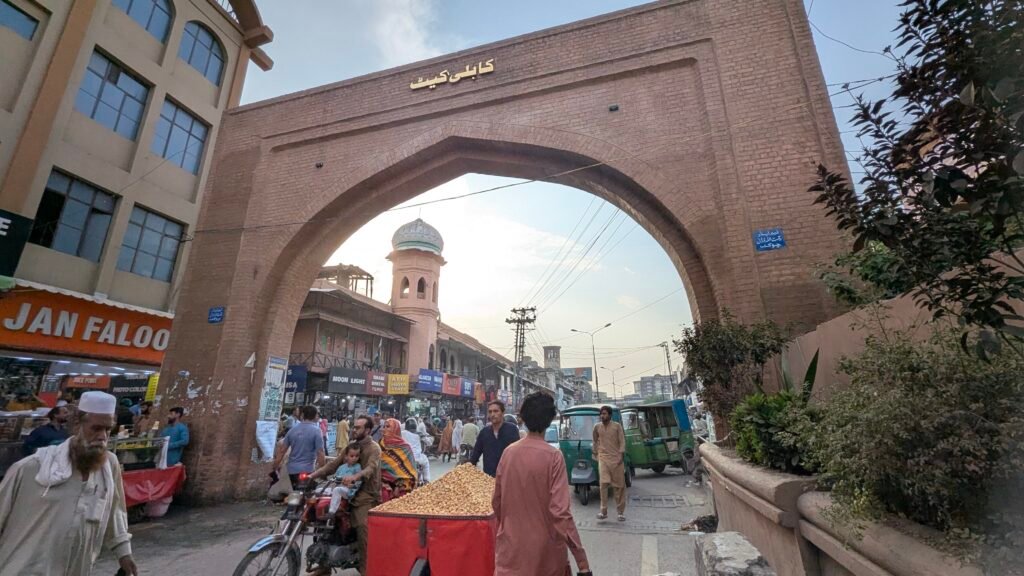
The Hippie Trail was a popular overland route traveled by young people and independent adventurers during the 1960s and 1970s. Many began in Western Europe and journeyed east through countries such as Turkey, Iran, Afghanistan, Pakistan, and India, sometimes continuing to Nepal. Travelers often went by bus, shared van, or train, making the trip part of the adventure.
Rather than formal package tours, most journeys were low-budget, independent trips. Travelers sought new experiences, cultural exchange, spiritual exploration, and a break from conventional life. Cities such as Istanbul, Kabul, Delhi, and Kathmandu became familiar stops along the route, with inexpensive guesthouses and cafés serving as meeting places.
Hippie trail tours of the 1970s were long overland journeys from Europe toward South Asia, especially India,Pakistan and Nepal. Rather than organized sightseeing packages, many were independent trips taken by young travelers seeking adventure, cultural exchange, spiritual exploration, or a lower-cost alternative to flying.
The Hippie Trail through Pakistan
From the 1950s through the 1970s, the “Hippie Trail” was a loose network of overland routes that carried young travellers from Europe toward South Asia. Pakistan was a major link in the journey, connecting Iran and Afghanistan with India. Travellers crossed it by bus, shared taxi, truck, or train, often stopping for days or weeks along the way.
The main route ,A common west-to-east route ran:
Iran → Taftan → Quetta → Sukkur or Hyderabad → Karachi
From Karachi, many travellers continued north and east by road or rail, often passing through Lahore before crossing into India at Wagah–Attari. Routes varied with transport, border conditions, and travellers’ plans; some went from Quetta toward Lahore without making Karachi a long stop.
The northern route
Travellers heading toward Afghanistan or the mountains could take a different path:
Iran → Taftan → Quetta → Peshawar → Khyber Pass → Afghanistan
The Khyber Pass route linked Pakistan with Kabul and the onward overland journey toward India. Peshawar was a significant stopping point, while the route through the pass was shaped by border rules and local conditions.
Places along the way
Quetta: A key western gateway and transport junction, set among the highlands of Balochistan.
Karachi: A large port city where travellers could rest, arrange onward transport, and experience Pakistan’s coastal metropolis.
Lahore: A cultural and historic city, and a natural stop for those travelling toward the Indian border.
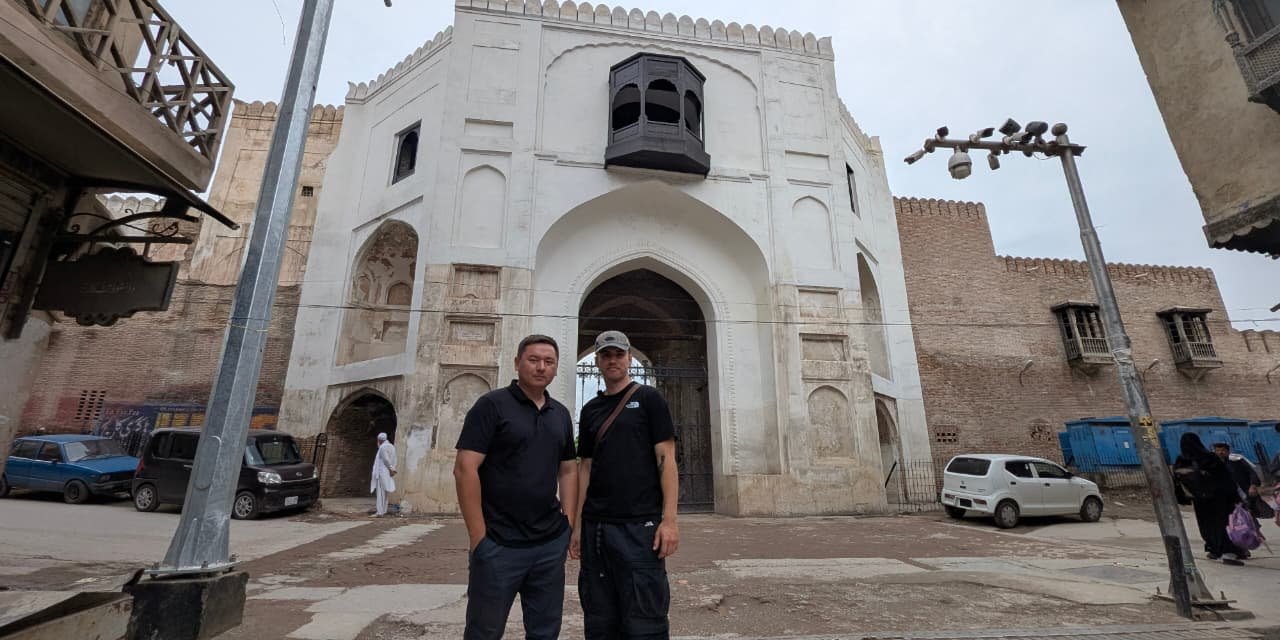
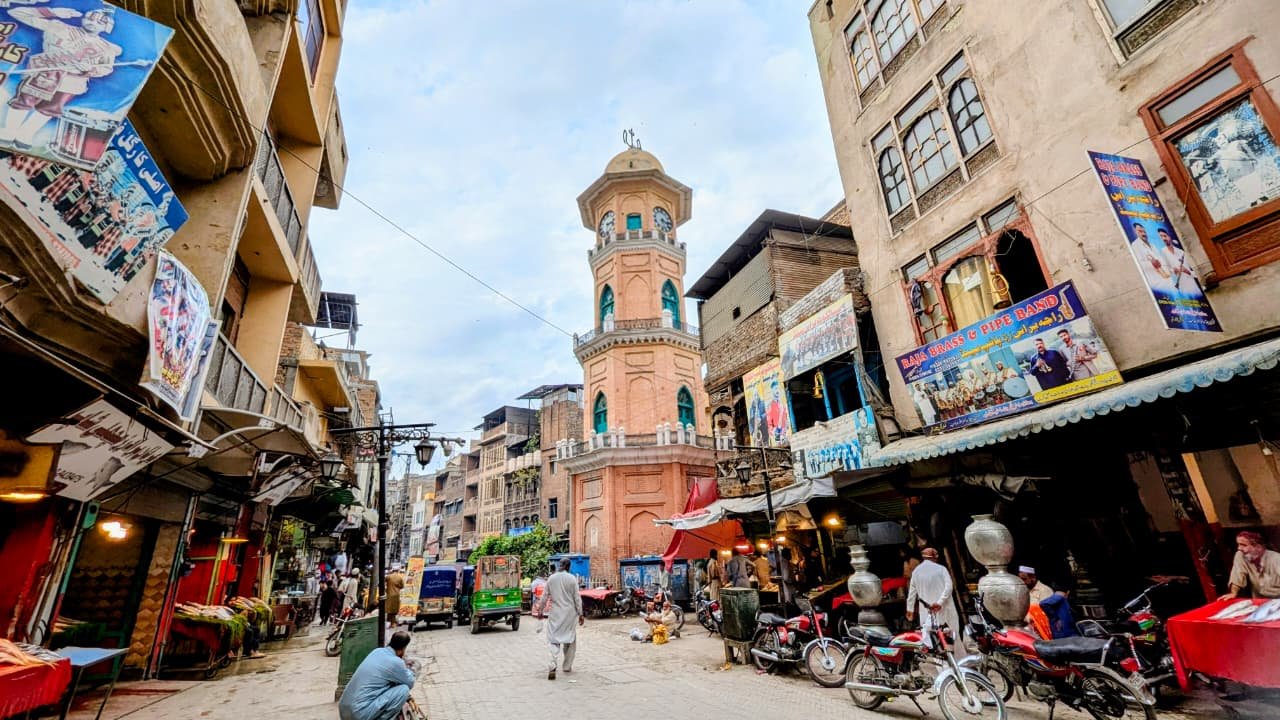
Peshawar: A historic trading city and gateway to the Khyber region and Afghanistan.
The journey was not a single fixed itinerary. Some travellers crossed Pakistan quickly; others lingered, changed routes, or travelled with local companions. Political changes, visa requirements, road conditions, and border closures could all affect the trip.
Today, the Hippie Trail is remembered as a landmark of countercultural travel, but it should not be romanticised as effortless or risk-free. It passed through real communities and politically changing regions, and travellers’ experiences differed widely.
Costing of the Trip
| Destination | No of Days | Price Per Pax | No of Persons |
|---|---|---|---|
| Lahore | 07 | € 1000 | 01-02 |
| Rawalpindi /Islamabad | 07 | € 900- 800 | 03-06 |
| Peshawar/Khyber Pass | 07 | € 700 – 650 | 07 -10 |
Day 03 :Lahore to Rohtas Fort (via Multan or Direct via GT Road)
Morning: Depart Lahore early (6:00 AM) via the M2/Motorway.
Stop: Stop in Multan for lunch if taking the southern route, or continue directly north via GT Road if preferring a scenic drive (though motorway is faster).
Recommended Route: Lahore -> Multan (for a quick visit to Shah Rukn-e-Alam if time permits) -> Jhelum -> Rohtas Fort.
Afternoon: Arrive at Rohtas Fort (a UNESCO World Heritage Site). Spend 2-3 hours exploring the massive gates, palaces, and water reservoirs. It’s one of the largest forts in South Asia.
Evening: Drive to Rawalpindi/Islamabad. Check into your hotel in Rawalpindi.
Dinner: Try traditional Lahori/Desi cuisine in Rawalpindi (e.g., Pindi Bun Kabab or Dhabas on Murree Road).
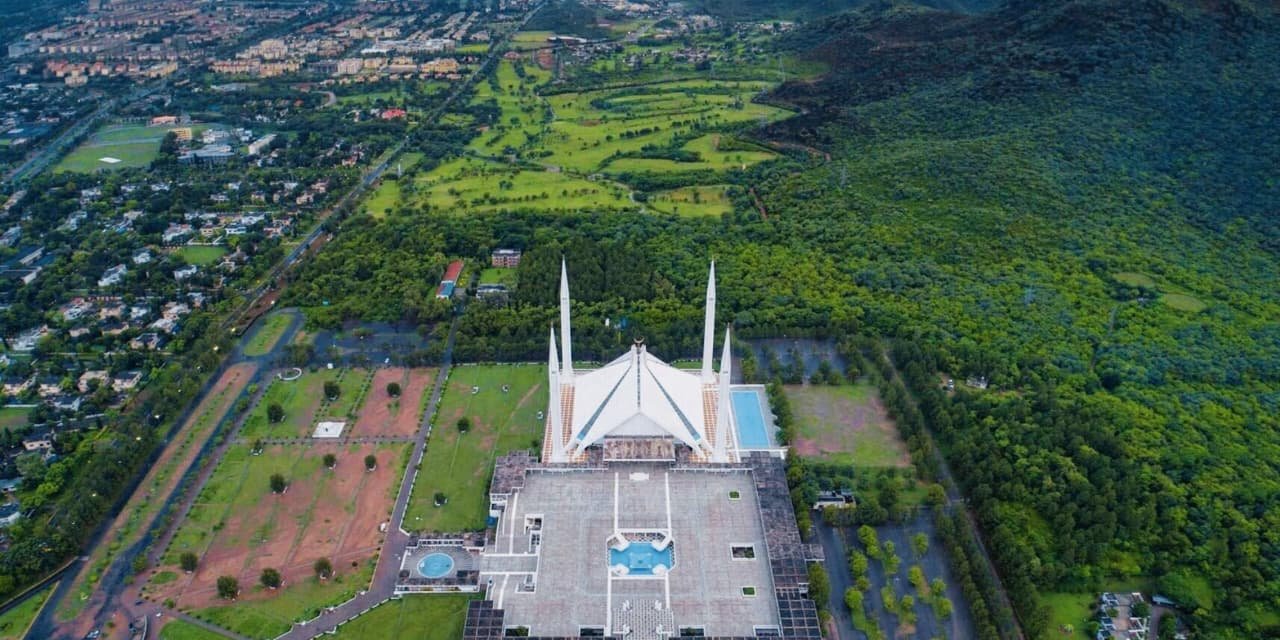
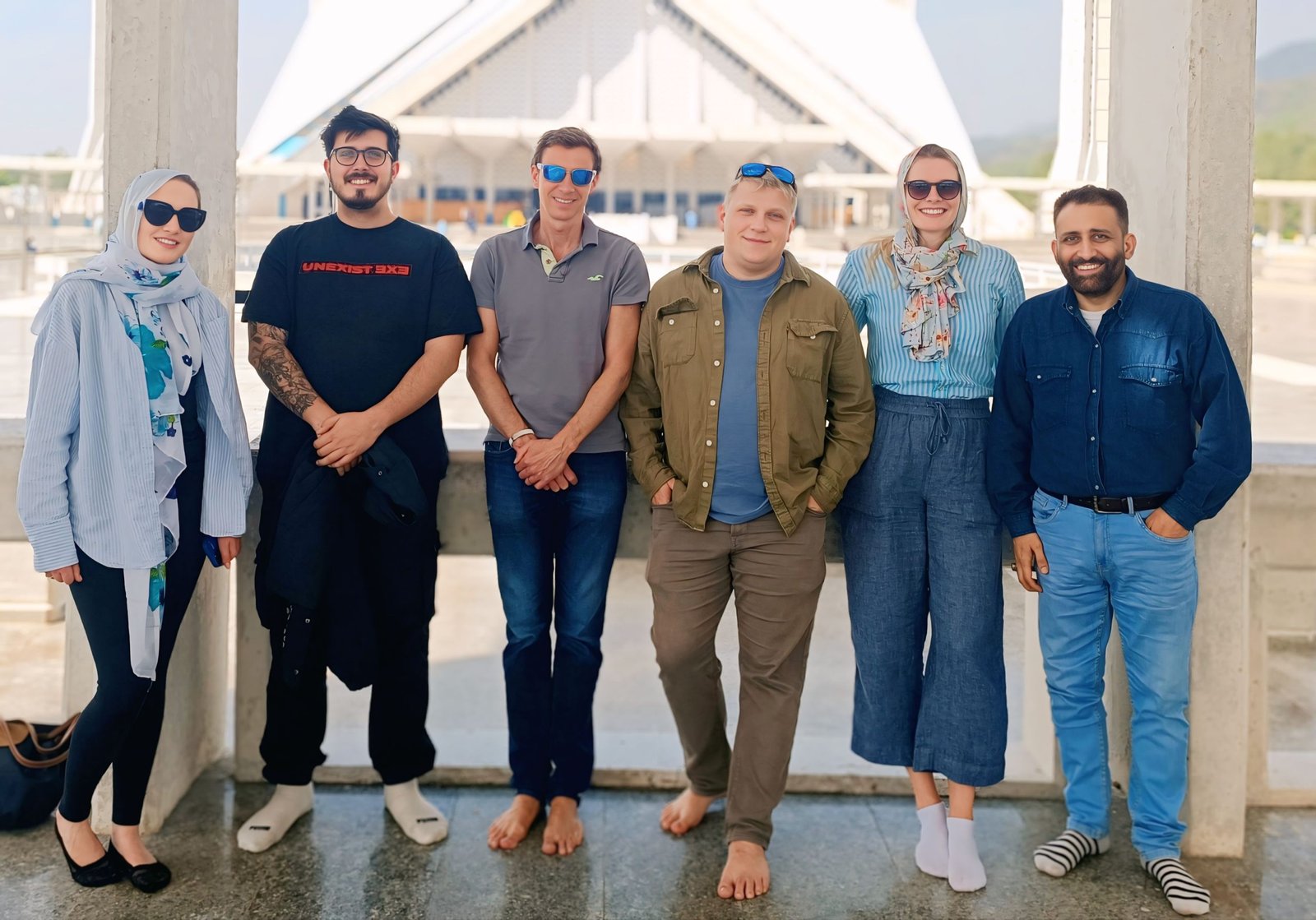
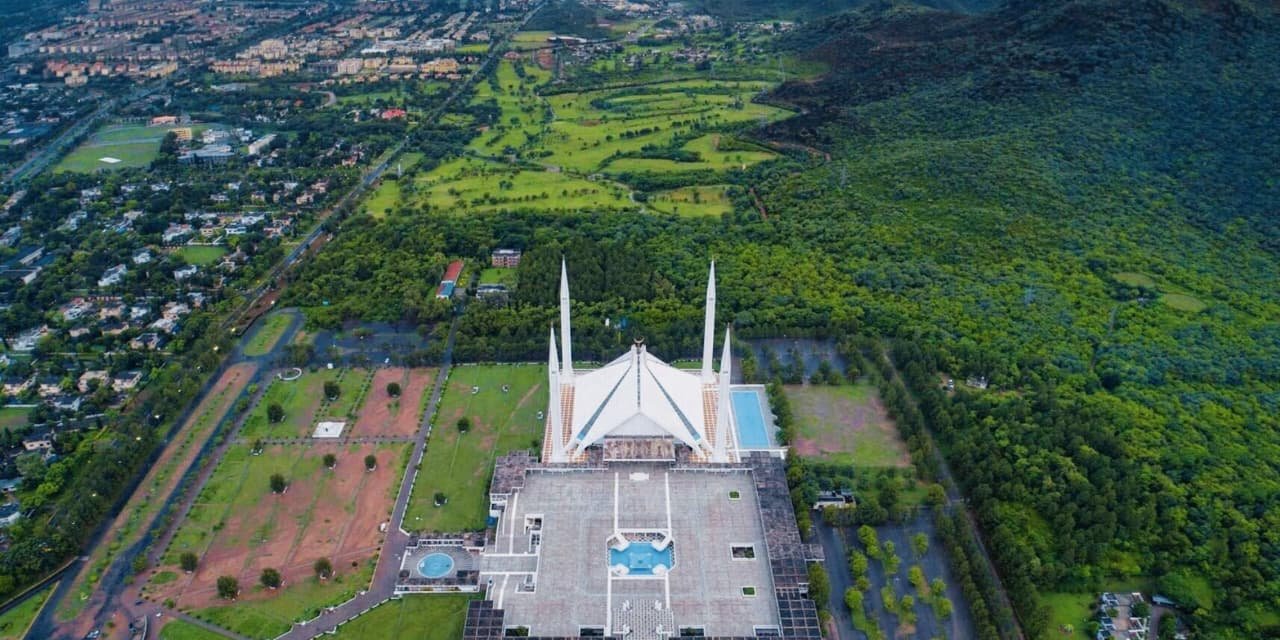
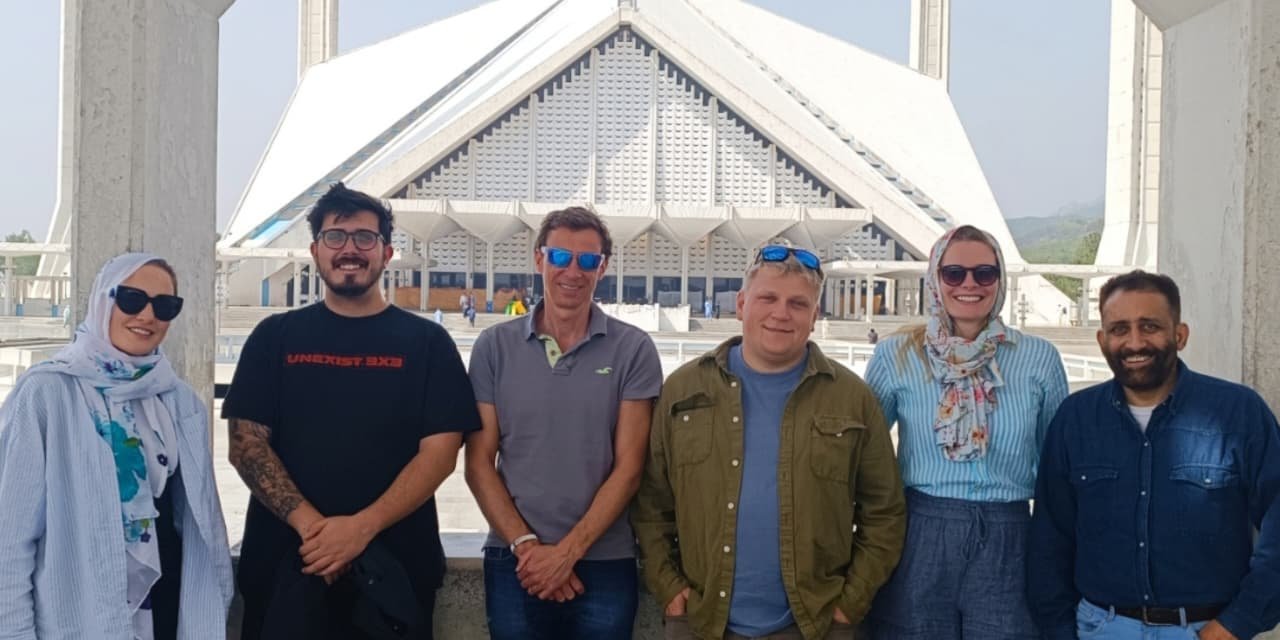
Morning: Visit Faisal Mosque, the iconic landmark of Islamabad.
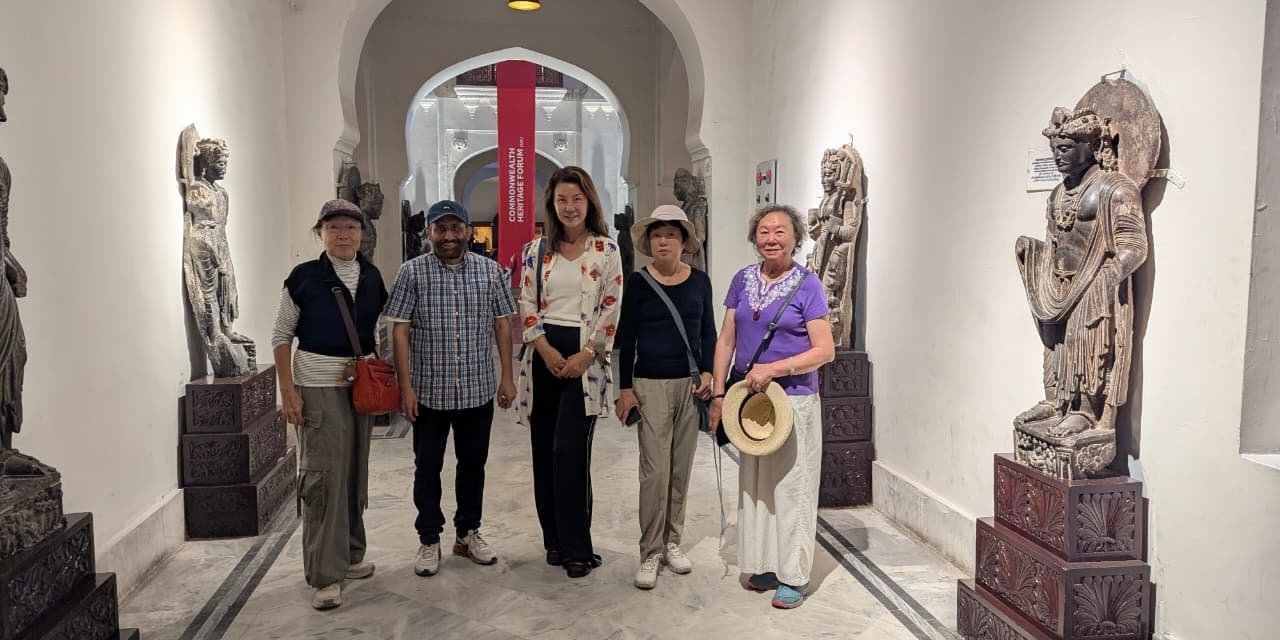
Late Morning: Explore Lok Virsa Museum (Heritage Museum) to understand Pakistani folk culture, music, and crafts.
Lunch: Have lunch at F-9 Park or a nearby restaurant.
Afternoon: Visit Shakar Pararian Hills for panoramic views of the Margalla Hills and Islamabad. Alternatively, explore the Centaurus Mall area for modern amenities.
Evening: Stroll through Fatima Jinnah Park or Margalla Hills National Park (if you enjoy light hiking).
Night: Overnight in Rawalpindi.
Morning: Early departure from Rawalpindi via the Karachi-Punjab Motorway (M-2/M-1) connecting to the Grand Trunk Road (N-5).
Scenic Stops:
Taxila: If interested in ancient history, detour to Taxila (UNESCO site) for the Buddhist ruins (Dharmarajika Stupa, Jaulian Monastery). Optional: Skip if time-constrained.
Attock Fort: View the historic fort near the Indus River.
Afternoon: Arrive in Peshawar. Check into your hotel.
Evening: Explore Qissa Khwani Bazaar (Storytellers’ Market) for the vibrant atmosphere.
Dinner: Must-try: Chapli Kebabs at any reputable local spot (e.g., Al-Qadir Restaurant or Naveen Kabab Corner).
Morning: Drive from Peshawar towards Kabul Road.
Stop 1: Khyber Pass. Visit the historic pass, one of the most famous mountain passes in the world. See the Afghan border checkpoint (viewing only; entry may require special permits). Enjoy the rugged landscape.
Stop 2: Jamrud. A small town at the base of the pass.
Afternoon: Head south-east from Jamrud towards Darra Adam Khel (~1.5–2 hours drive).
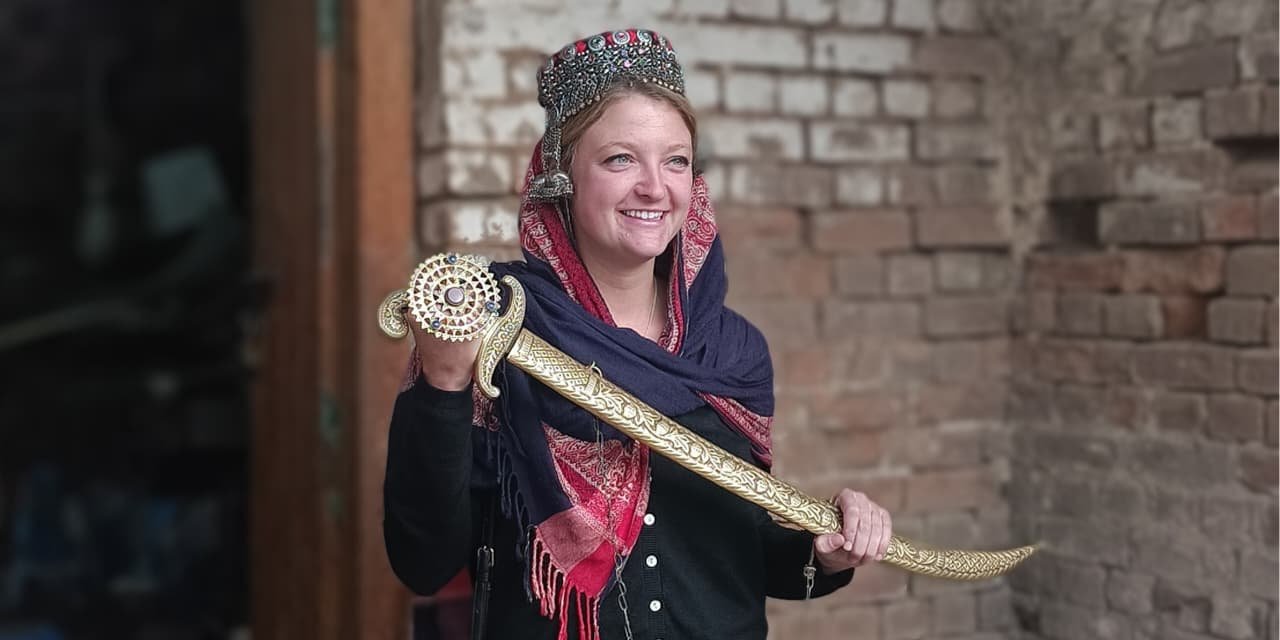
Late Afternoon: Explore Darra Adam Khel, known as the “City of Knives.” Visit local workshops where knives, swords, and other metal tools are handmade. You can see blacksmiths at work.
Evening: Return to Peshawar or stay overnight in Darra Adam Khel (limited options; better to return to Peshawar for comfort).
Night: Overnight in Peshawar.
Morning: Start early from Peshawar via the M-1 Motorway.
Scenic Stops:
Swabi: Optional stop for lunch.
Nowshera: Brief view of the Indus River.
Afternoon: Arrive in Islamabad.
Late Afternoon: Visit Monal Restaurant (on top of Margalla Hill) for sunset views over the city.
Evening: Explore F-7 Park or Jinnah Super for last-minute shopping.
Night: Overnight in Islamabad.
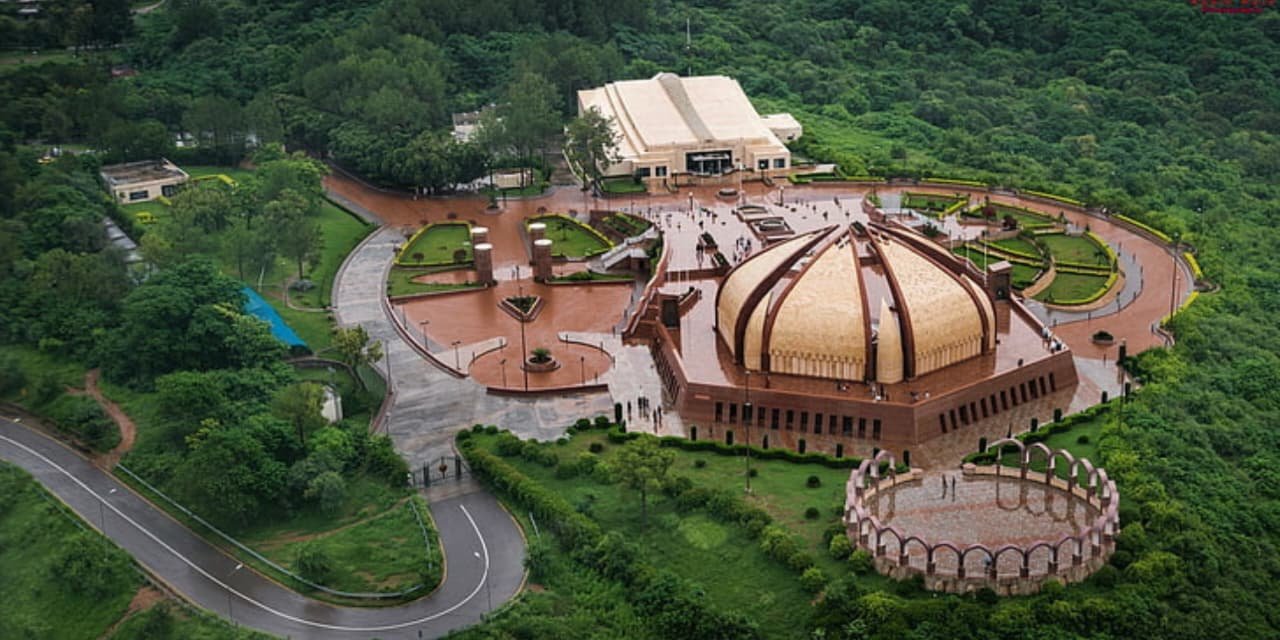
Morning: Visit Pakistan Monument (in Sharah-e-Faisal) to see the flower-shaped structure representing the four provinces.
Afternoon: Last-minute souvenirs (dry fruits, handicrafts) from F-7 or F-9 markets.
Evening: Depart from Islamabad International Airport .
1. Security: Always check current travel advisories for KP, especially near the Khyber Pass and Darra Adam Khel. Travel in groups and keep documents handy.
2. Road Conditions: The GT Road and motorways are generally well-maintained, but traffic can be heavy. Allow extra time for delays.
3. Clothing: Carry light clothes for daytime and warm layers for evenings, especially in Rawalpindi and Islamabad.
4. Permits: For Khyber Pass, carry CNIC/Passport. Some restricted areas may require NADRA-issued NOCs, though basic viewing spots are usually accessible.
5. Connectivity: Mobile networks may be spotty in Khyber Pass and Darra Adam Khel. Download offline maps
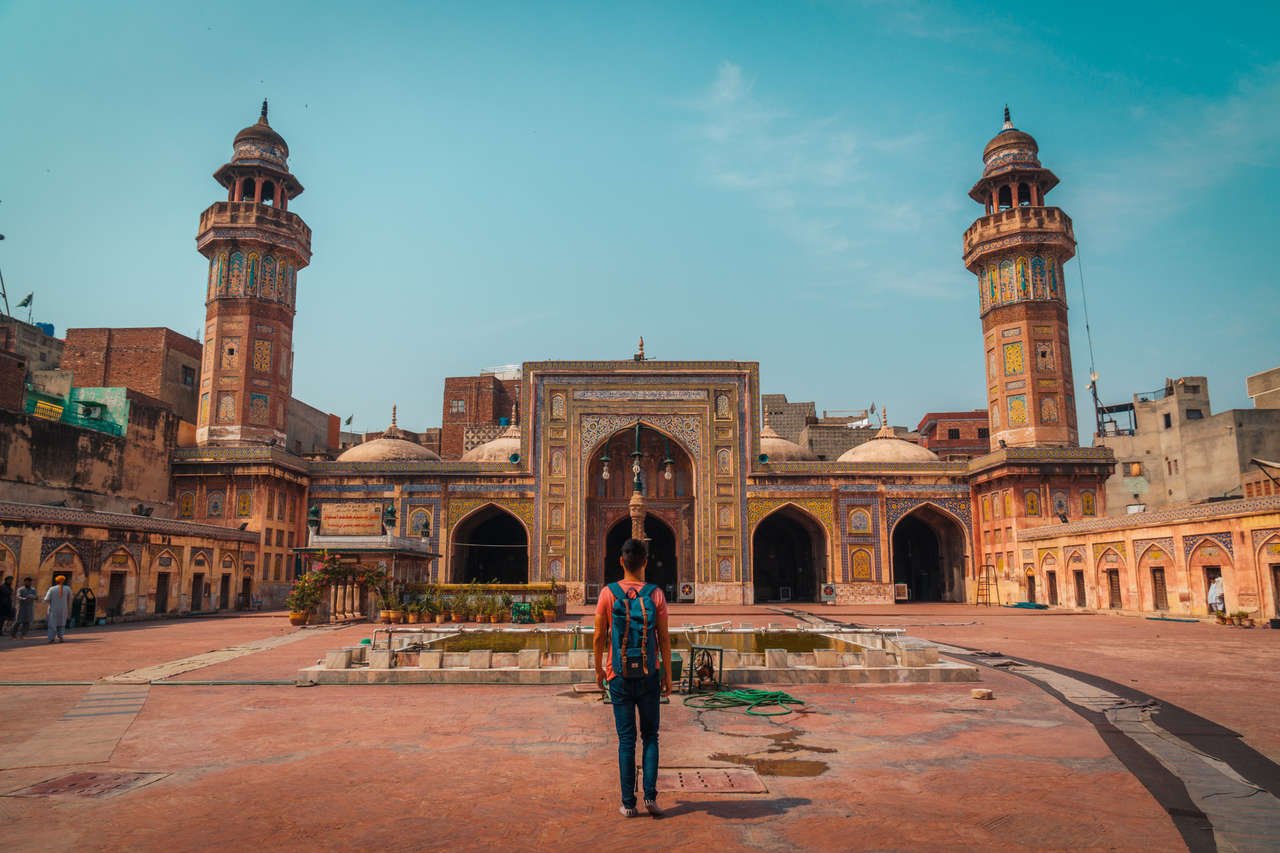
Travel Routes Pakistan is a Licensed Professional Tour Company offering customized travel experiences across Pakistan,we offer cultural, historical tours to the cities & adventure trips in the mountains of Hindukush & Karakurum,we provide safe,reliable and memorable journeys with expert Guides and well planed itineraries .
Join our community of over 200,000 global readers who receive emails filled with news, promotions, and other good stuff.
