
The Living Museum of Legendary Gunsmiths
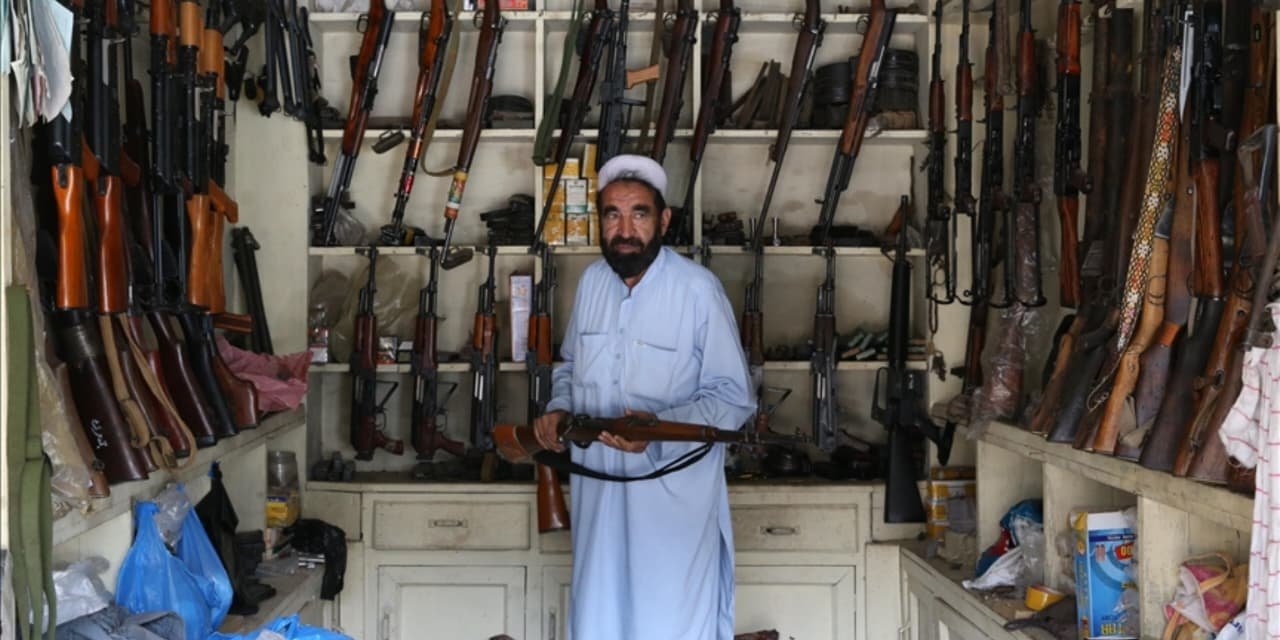
Darra Adam Khel, is situated in the Kohat District of Khyber Pakhtunkhwa, Pakistan, is an administrative subdivision recognized for its gunsmiths and weapons markets, establishing itself as a key location for local arms manufacturing.
Historically the British authorities tolerated this local industry in exchange for safe passage through the area, considering it a preferable alternative to providing access to stolen British firearms, as stipulated in government policy.
Dara Adam Kheil has been a dream destination for foreigners since five decades , this region ows to the presence of highly skilled gunsmiths, who are adept at creating replicas of genuine guns. During the Hippie Trail, Darra was a popular stop for travelers arriving by bus, who would revel in the local lamb barbecue and Hashish smoking.
History of the Gun Trade Origins: The arms trade in Darra Adam Khel began in the late 19th century around 1897, rooted in the local Adam Khel Afridi tribe’s need for self-reliance and defense against the British Empire. Production expanded dramatically during the 1980s Soviet-Afghan war, as regional demand for small arms spiked.
Modern Shifts: Over the decades, the bazaar operated largely outside formal state regulation, though recent government integration and legal changes have shifted dynamics in the region. Craftsmanship and Culture
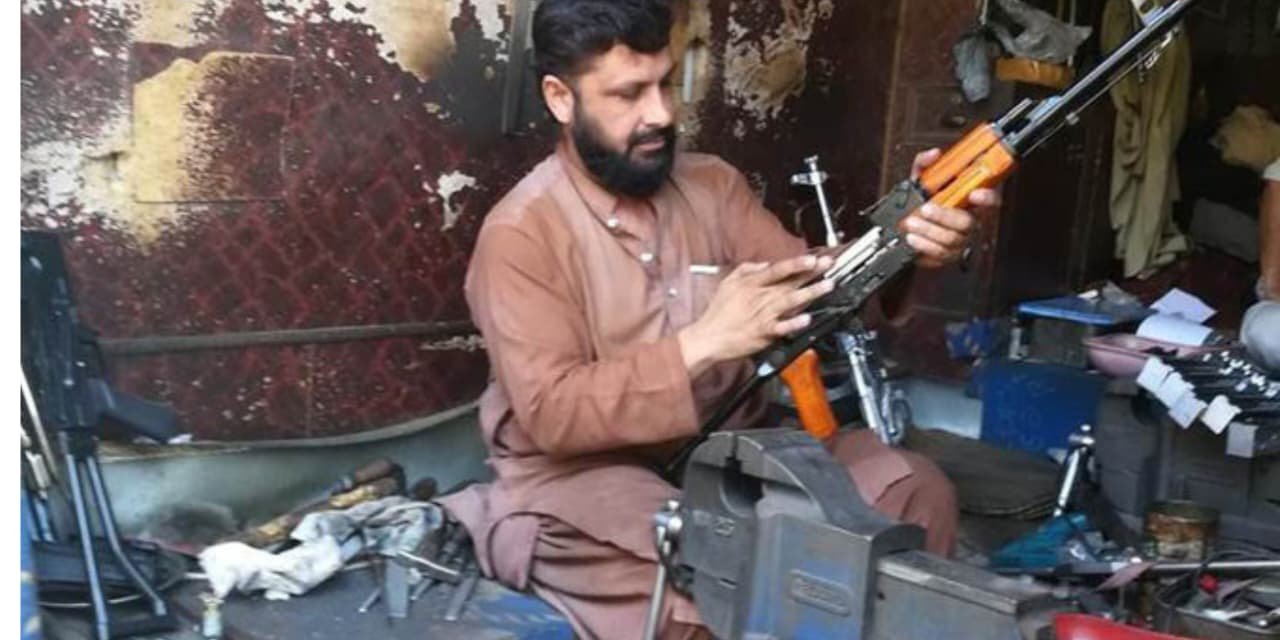
Generational Skills: Gunsmithing knowledge is passed down father-to-son, relying on traditional techniques, scrap metals, and basic hand tools to copy intricate weapon designs.
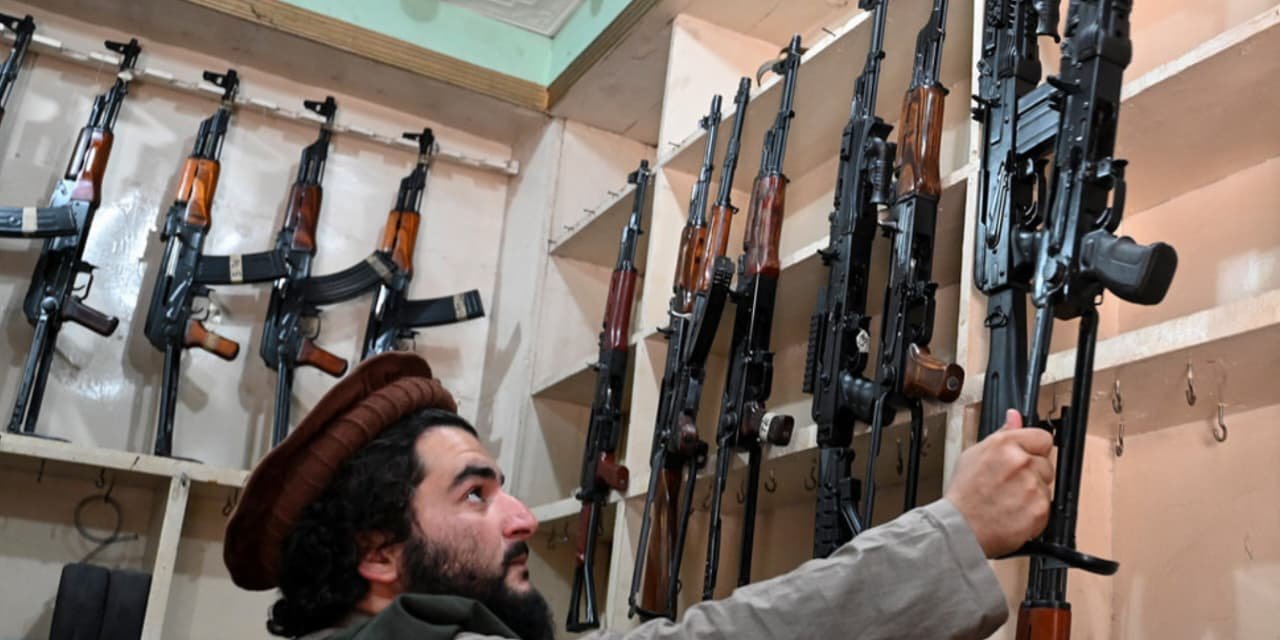
Replication Mastery: Artisans can visually duplicate almost any small arm from simple 12-gauge shotguns and handguns to AK-47s and M16 often just by looking at a photograph.
Detailing: Beyond utility, skilled craftsmen practice specialized engraving, adding miniature floral patterns, birds, and geometric motifs onto metal surfaces.
Tribal Identity: The industry forms the backbone of the local economy, employing a vast majority of the
Foreign visitors to the gun factories must secure a No Objection Certificate (NOC) and be escorted by the police; failure to comply with these requirements strictly prohibits visits.
Khyber Pass
Terms & Conditions apply to book this tour, please inquire
| Destination | No of Days | No of Pax | Price Per Pax |
|---|---|---|---|
| Darra Adam Kheil | 01 | 01-03 | 200 – 150 $ |
| Khyber Pass | 01 | 01-03 | 200 – 150 $ |
| Darra/ Khyber Pass | 02 | 01 -03 | 400 – 300 $ |
Tour inclusion
Exclusion
For more than 06 persons inquiry required
How we will move on
DAY 01
Morning 8:00 AM
Commence your day with a guided departure from Peshawar to the historic Khyber Pass.
Bab-e-Khyber: The initial stop will be at this iconic monument, where you can capture photographs while learning about the region’s history.
Khyber Rifles Museum: Proceed to the museum, showcasing the area’s military heritage and memorabilia.
Midday: Landi Kotal
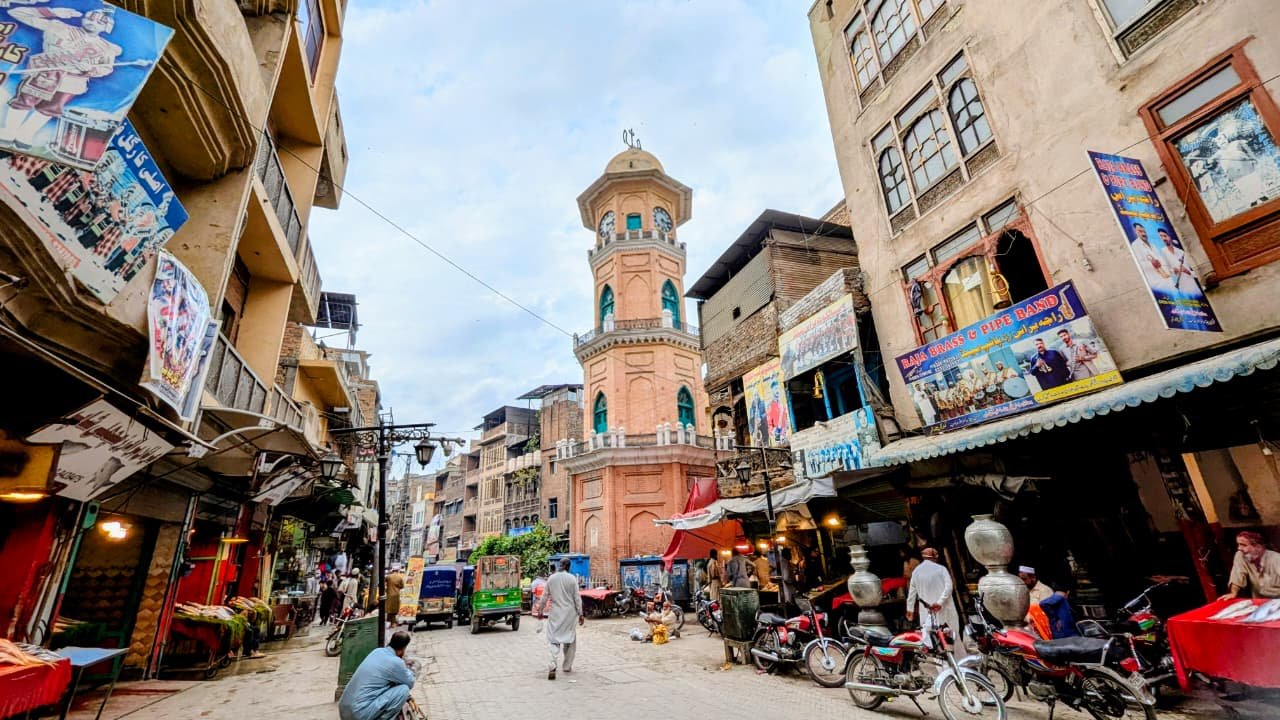
Arrival in Landi Kotal: Continue to Landi Kotal, the highest point of the Khyber Pass, and explore local markets, immersing yourself in traditional Pashtun culture.
Lunch Time
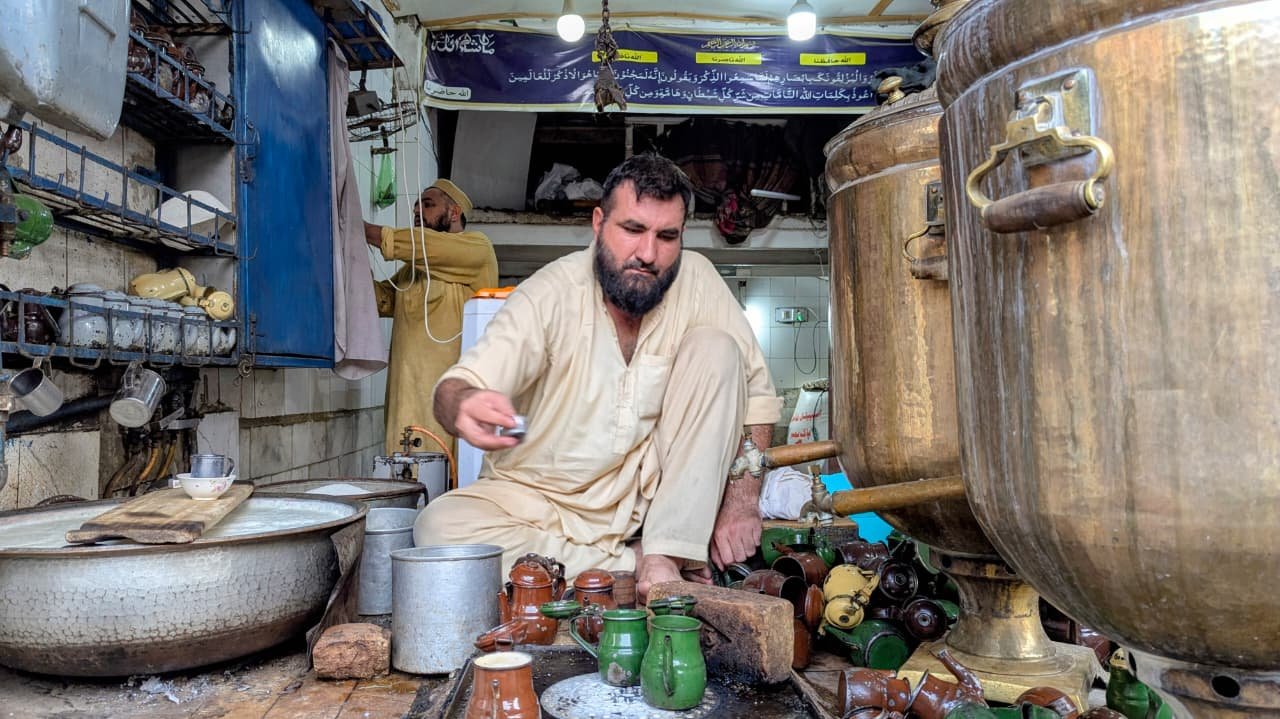
Delight in a traditional Tribal lunch at a local eatery in Landi Kotal, noted for its scrumptious Lamb Traditional Barbecue and Lamb Karai.
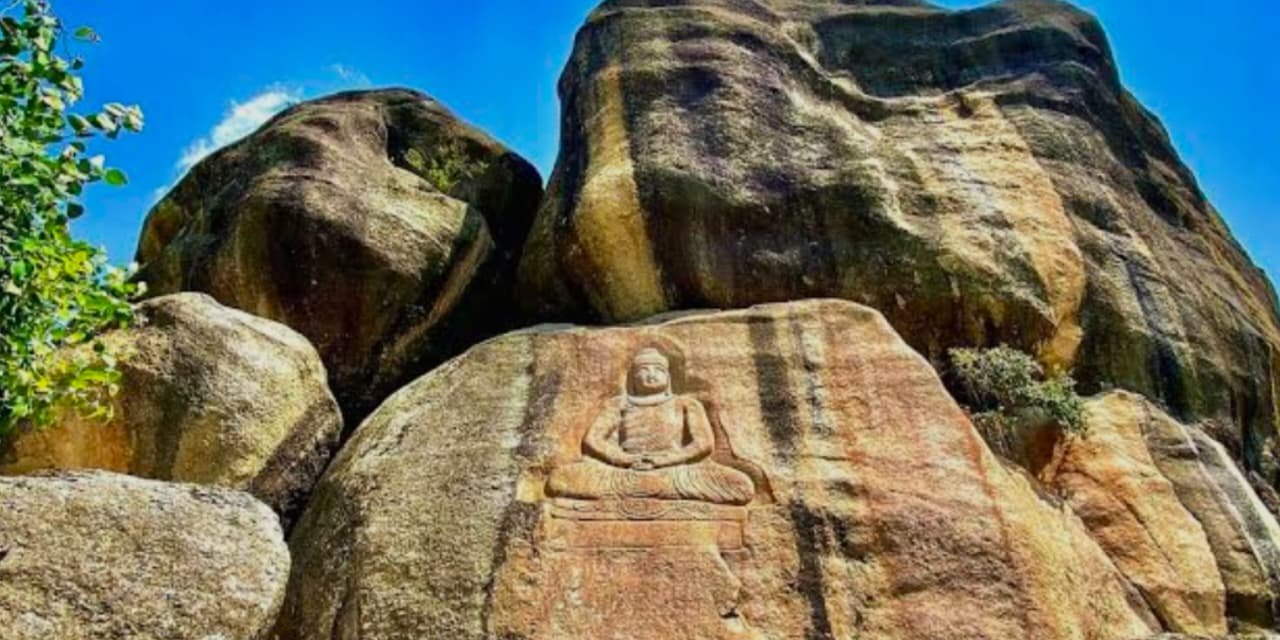
Sphola Stupa: Visit the ancient a historic Buddhist site along the route, and take a few pictures, Drive through the pass, pausing at scenic viewpoints for photographs appreciate the rugged landscape.
Torkham Border: The final destination of the day trip will be Torkhum Border , where hundreds of people can be seen crossing the border between Pakistan and Afghanistan, with Afghans waiting in line for immigration processing, and a substantial number of individuals crossing into both countries daily, offering a glimpse of Afghanistan’s hills from the border.
Onwards to Peshawar: The day’s unforgettable journey will draw to a close as we make our way back to Peshawar, reflecting on the day’s historical and scenic highlights.
Lets begin your dream journey with us.
Day 02
Lets begin the day
Departure Time : 9:00 AM
Dara Adam Kheil: We will initiate our journey towards our dream destination dressed in traditional Pashtun attire, including Shalwar Qameez, Cap, and a scarf, in order to assimilate with the local population and minimize attention from onlookers.
Visit of the Bazar: Upon arriving at the Bazar, we will observe numerous arms shops showcasing a variety of arms, with the majority being replicas. The shopkeeper will extend a warm welcome and enthusiastically display the guns.
Guns factory visit: As we conclude our walking tour of Bazar, the Guide will lead us to the main gun production facilities, where multiple skilled gunsmiths are employed in large compounds, with each factory section staffed by 10-12 workers who work in tandem to manufacture pistols and guns.
Traditional Tribal Lunch: We will partake in the most organic, traditional Tribal cuisine, as these hospitable individuals serve renowned mutton sticks with Mutton Karai & Rosh, a culinary delight worth savoring.
Kalashnikov Factories: The Kalashnikov, a popular firearm of Russian origin, was extensively used during the Soviet-Afghan conflict in the mid-1980s. Dara is the only location where replicas of this firearm are produced, with a minor difference between the genuine and replicated versions, although at a significantly different price.
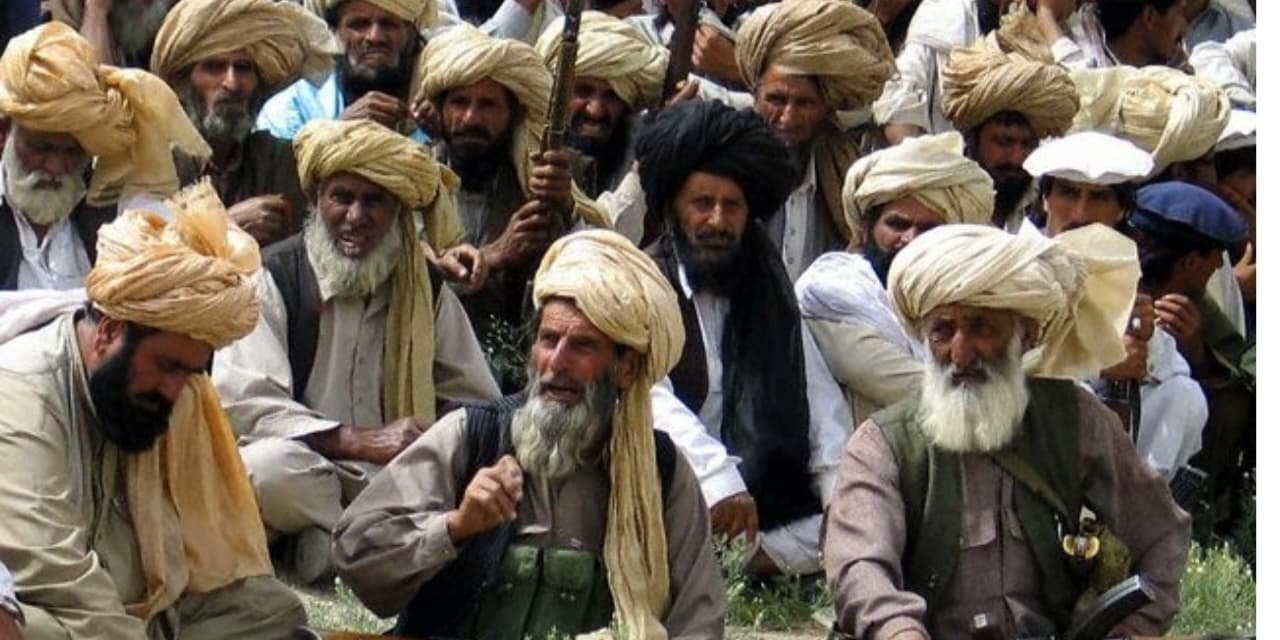
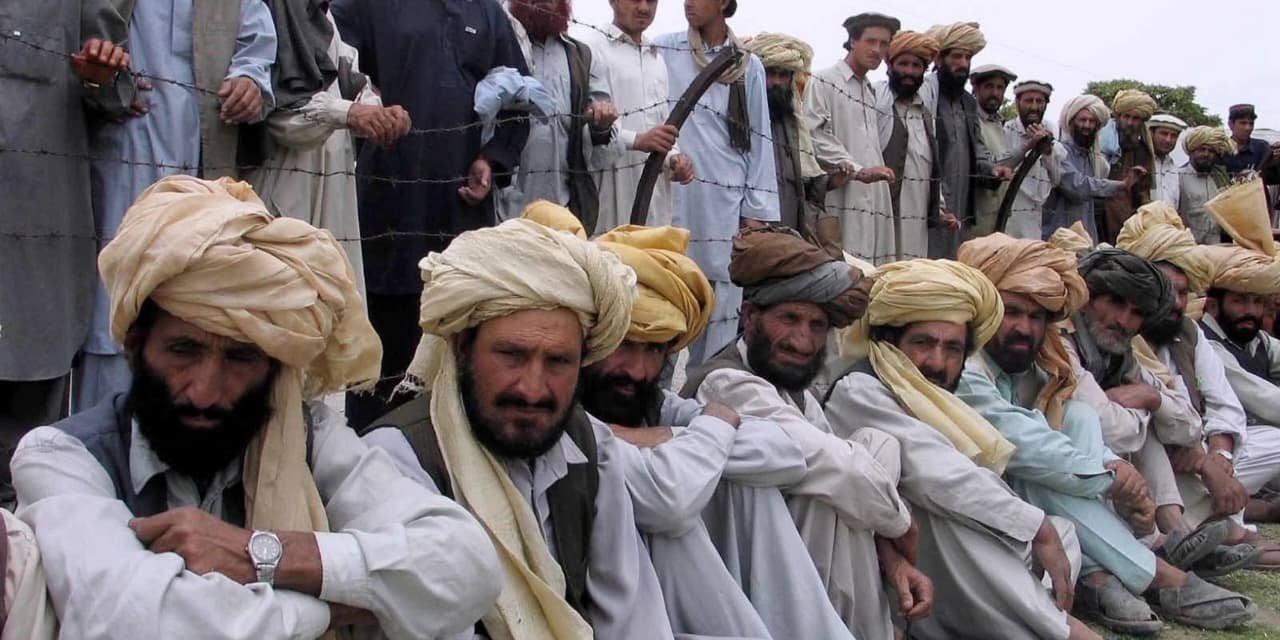
Chit Chat with Local Tribes: Dara is inhabited by multiple tribes, with the Afridies being the most prominent, renowned for their outstanding hospitality, kindness, welcoming nature, and courage. They place great importance on treating their guests with respect. We will have an informal conversation with them about their daily life, customs, traditions, and stories of bravery.
Wrap-up the day
We will return back to Peshawar before dusk after a memorable journey.









Travel Routes Pakistan is a Licensed Professional Tour Company offering customized travel experiences across Pakistan,we offer cultural, historical tours to the cities & adventure trips in the mountains of Hindukush & Karakurum,we provide safe,reliable and memorable journeys with expert Guides and well planed itineraries .
Join our community of over 200,000 global readers who receive emails filled with news, promotions, and other good stuff.
