Photographic Tours Khyber Pukhtunkhawa

Travel far, Shoot wide, Remember forever
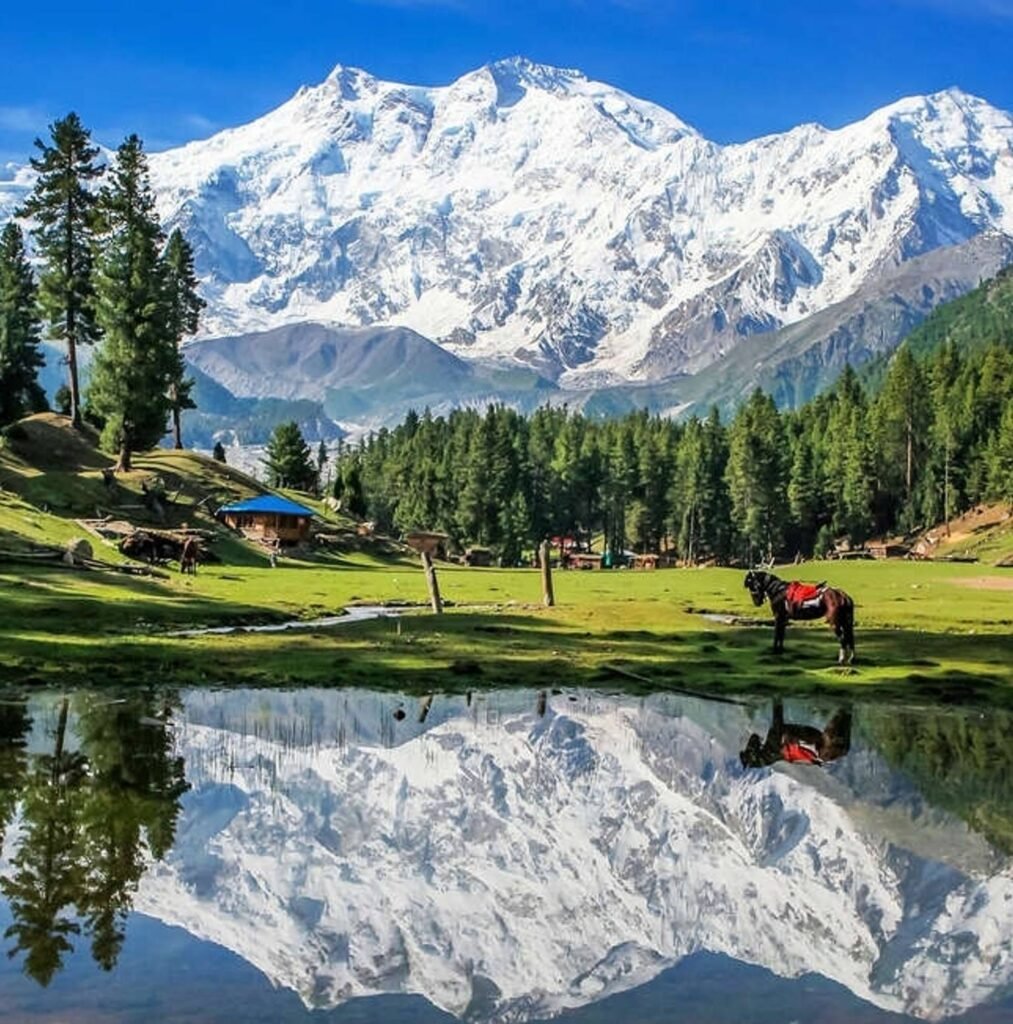
Photographic tours of Pakistan offer an extraordinary, multi-sensory journey through some of the most dramatic landscapes and deeply layered cultures on Earth. Long revered by adventure shutterbugs and documentary filmmakers, the country has become a premiere global bucket-list destination for travel photography. 
From the jagged, snow-dusted obelisks of the Karakoram range to the vibrant, chaotic symmetry of centuries-old Mughal architecture, Pakistan presents a visual narrative that shifts entirely every few hundred kilometres.For street, architectural, and portrait photographers, Pakistan’s historical hubs provide endless human-interest frames. 

Introduction
photographic expedition through the Hindukush region ,stretching across Swat, Kalam, Chitral, and the Kalash Valleys is a journey into a world of rugged alpine isolation and ancient, living cultures. Unlike the massive open granite rock faces of the Karakoram, the Hindukush yields intimate valleys, rushing emerald rivers, and a tapestry of traditions that feel entirely frozen in time. For the travel, portrait, and documentary photographer, this circuit offers a starkly different, highly textured visual narrative.

A photographic tour of Khyber Pakhtunkhwa (KP) is a journey through a land of stark visual dualities. It takes you from the ancient, chaotic, tea-scented bazaars of the oldest living city in South Asia to the silent, dramatic alpine valleys hidden beneath the Hindukush mountains.For documentary, street, landscape, and cultural portrait photographers, KP offers a raw, unfiltered canvas rich with texture, history, and legendary hospitality.

Street & Heritage Photography: Peshawar

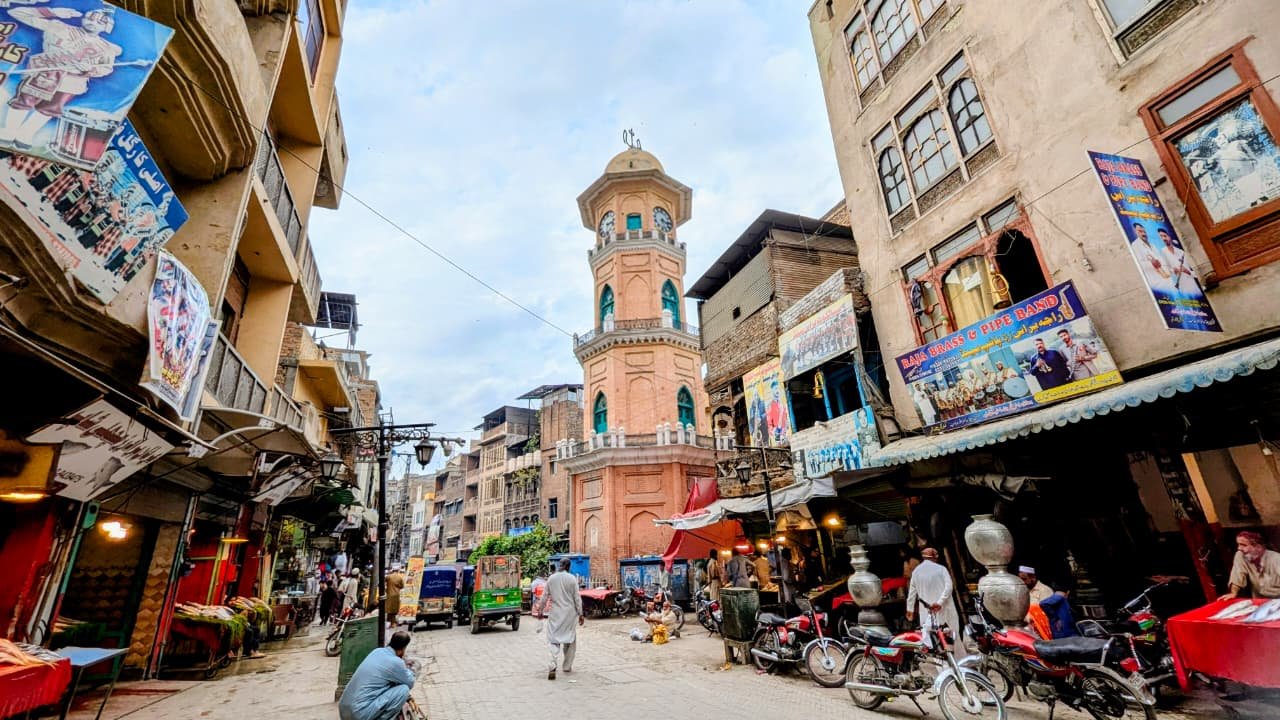
Peshawar is the cultural heartbeat of KP and a playground for street, documentary, and architectural photographers. The city’s visual identity is deeply tied to its historical position as a major trading hub on the Silk Road.

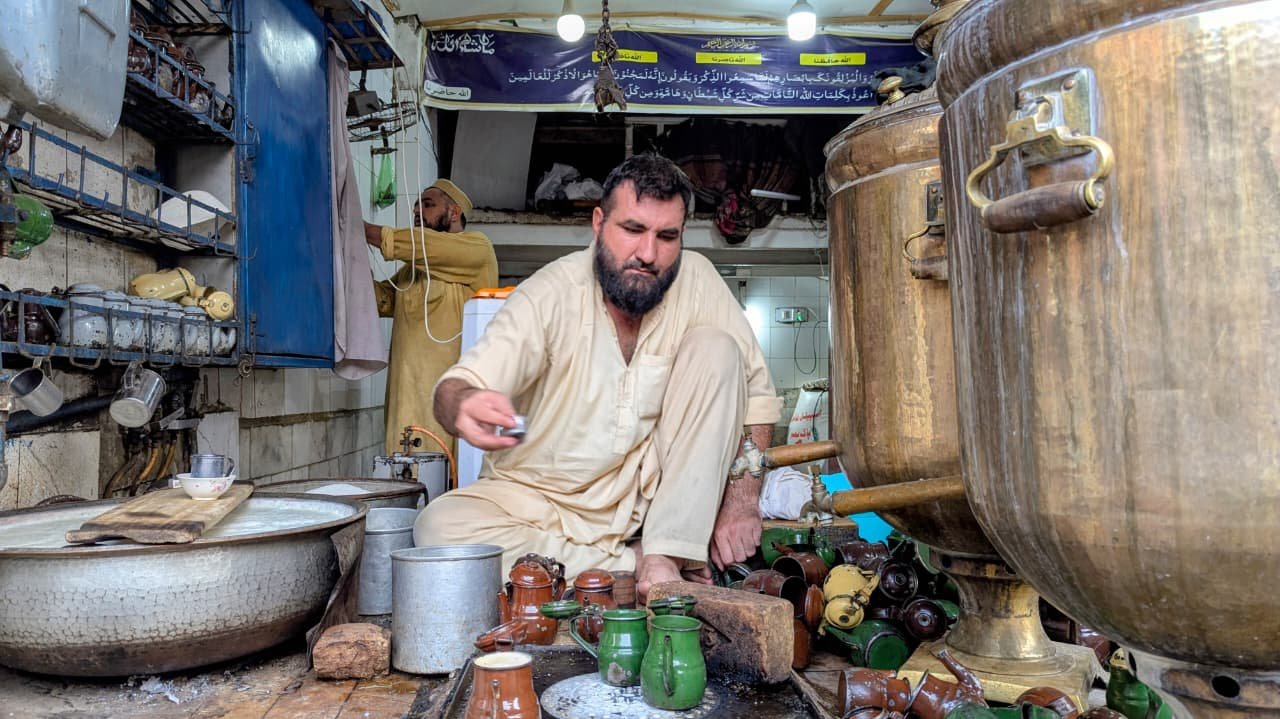
Qissa Khwani Bazaar:  The “Street of Storytellers” is a masterclass in candid street photography. Capture smoke billowing from charcoal kebabs, merchants pouring green qahwa tea into tiny glass cups, and the rugged, expressive faces of Pashtun elders. The midday light filtering through old awnings creates dramatic, high-contrast shadows.

Bab-e-Khyber & The Khyber Pass:

Located on the outskirts of the city, the monumental stone gateway represents centuries of history. Framing the gate against the arid, rugged hills of the pass gives an immediate sense of scale and geographic isolation.

Alpine Landscape Photography: Swat & Kalam

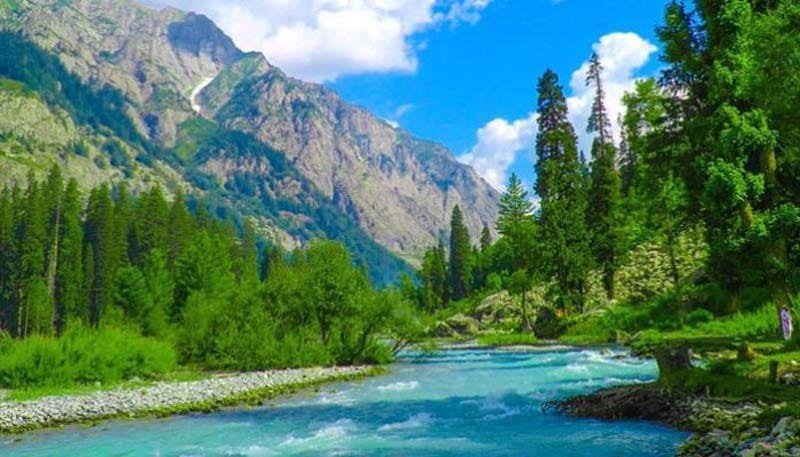
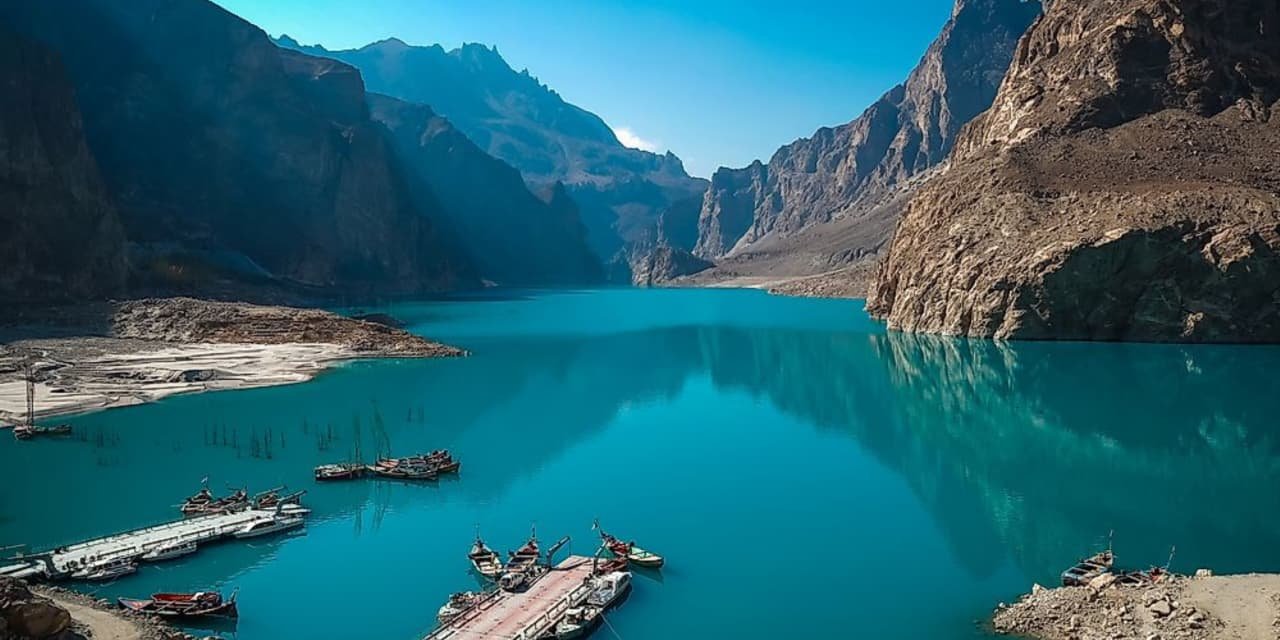
Heading north out of the plains, KP transforms into a landscape of rushing emerald waters, steep gorges, and dense pine forests.Long exposures here work beautifully. The milky white-water rapids of the Swat River slice through deep grey boulders, bordered by vibrant green terraced fields of rice and fruit orchards.

Indigenous Portraiture: Chitral & The Kalash Valleys

  • Tucked into the deep creases of the western Hindukush mountains, this sub-region of KP provides some of the most unique and globally celebrated cultural portraiture opportunities.
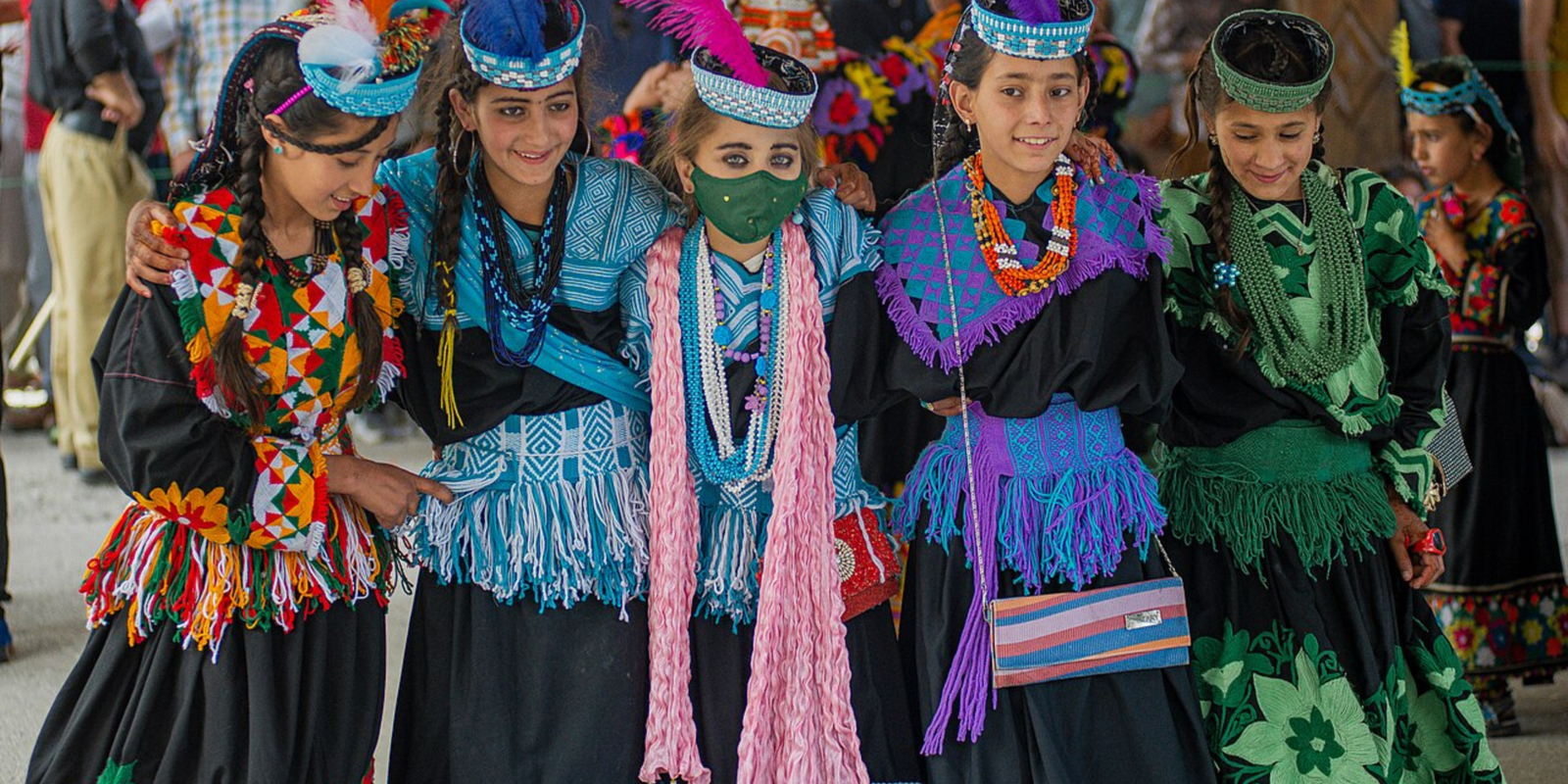
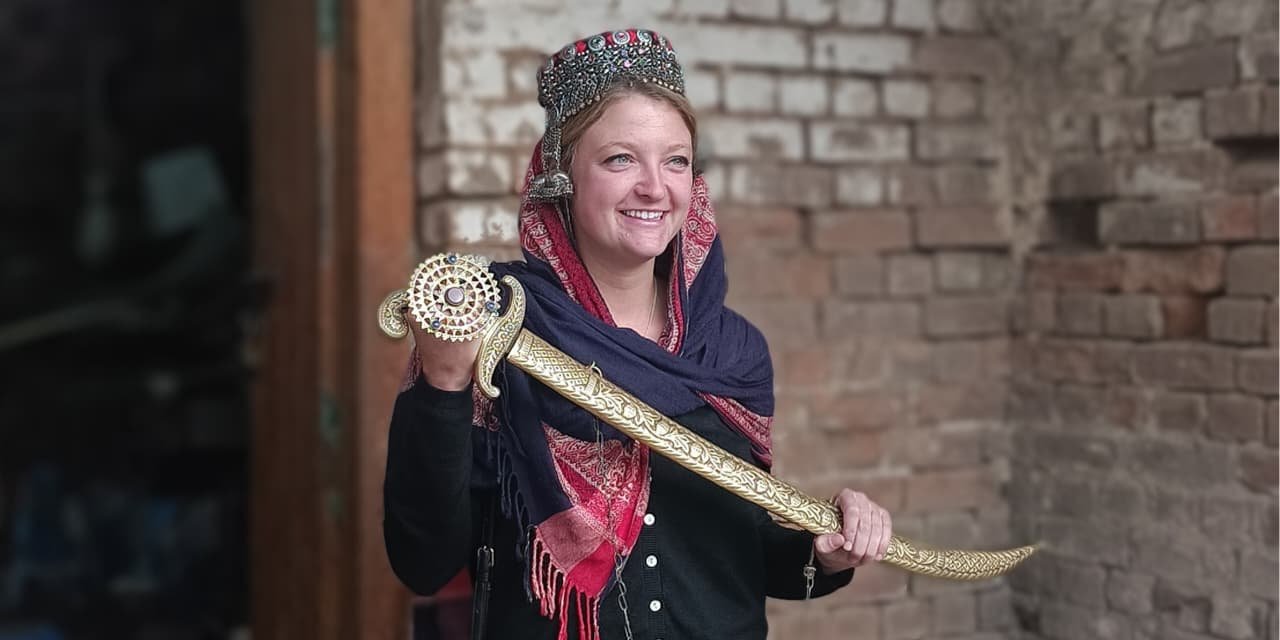
    The Kalash Culture: The indigenous Kalash people are a distinct visual treasure. The women dress daily in heavy black robes (piran) accented with neon, geometric embroidery and layered rows of coral-red and sea-green beads. Their cowrie-shell headdresses (shushut) add incredible depth and contrast for close-up portraits, especially when shot against the rustic, stacked-timber architecture of their hillside villages.
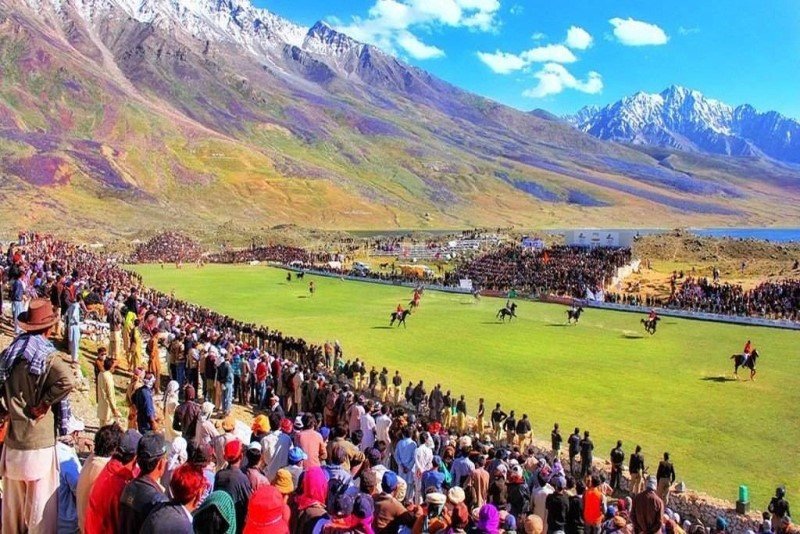
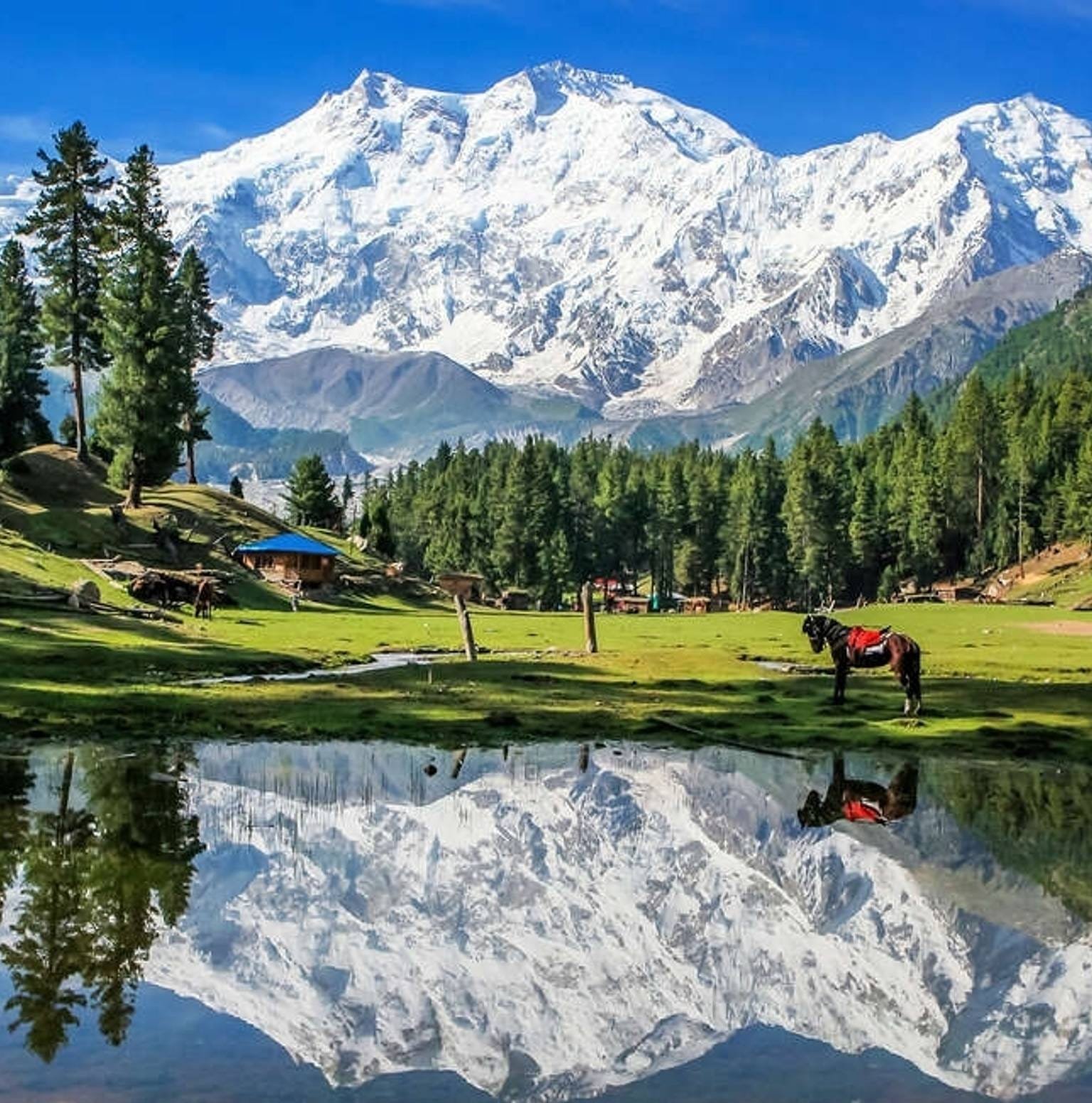
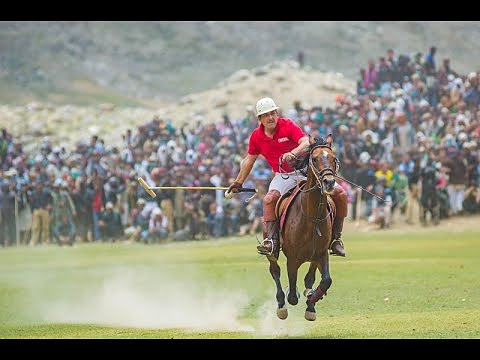
    • Mountain Polo Matches: In Chitral town, catching a free-style mountain polo match is an adrenaline-fueled photographic experience. Fast shutter speeds are essential to freeze the action, swirling dust, and raw intensity of horses and riders racing beneath the shadow of the 7,708-metre Tirich Mir peak.

Essential Tour Logistics & Planning

  • To get the absolute most out of your camera sensor in Khyber Pakhtunkhwa, structure your trip with these tactical tips in mind:
    The Golden Autumn (Oct – Nov): While summer is great for access, autumn transforms KP. The valleys of Swat and Chitral catch fire with gold, copper, and amber foliage, creating a breathtaking contrast against the deep blue sky and glacial rivers.
    • Light Constraints: The deep valleys mean the sun rises “later” and sets “earlier” behind massive mountain walls. Plan your shoots tightly around these condensed golden hours.
    • The Human Element: Pashtuns are famously hospitable, but always point to your camera and ask a simple “Custom? (Picture?)” or get your local guide to ask permission, particularly when photographing women or conservative village elders. Respecting local boundaries often leads to being invited in for tea, opening doors to highly authentic, relaxed portrait environments.

Are you planning to focus your tour primarily on urban street photography in places like Peshawar, or are you aiming for a rugged wilderness expedition up north? Let me know if you want a gear checklist tailored for KP’s dusty bazaars and crisp mountain air.

   Inclusion 

  • Air Conditioned Vehicle
  • Standard Hotels
  • All Breakfasts
  • All Dinners 
  • English Speaking Guide
  • Fuel/Driver
  • Toll Taxes


 Exclusion 

  • Lunchs
  • Photography Charges
  • Fixers Charges
  • Anything not mentioned above


  Costing of the Trip

DestinationNo of DaysPrice Per PaxNo of Pax
 Peshawar – Chitral 08
€  2000 
 01 -02
Bumburait – Rumbur 08
€ 1800 – 1600
 
 03 – 05
 Swat – Kalam-Bahrain 08
€ 1500 – 1400
 
 06 – 10

The 8-Day Photography Itinerary


Day 1: Peshawar — Street Photography & Heritage

  •  Morning (Golden Hour): Capture the sunrise hitting the majestic mud-brick ramparts of the Bala Hisar Fort.
  • Mid-day: Head deep into the old walled city. Frame the multi-tiered wooden balconies of Sethi Mohallah and the architectural symmetry of the 17th-century Mahabat Khan Mosque.
  • Evening: Photograph the smoke, fire, and street action at Qissa Khwani Bazaar (The Storytellers’ Bazaar). Set up a slow-shutter shot of the boiling brass samovars in the traditional green tea shops.
  • Overnight Stay: Peshawar.


Day 2: Peshawar to Swat Valley via Takht-i-Bahi

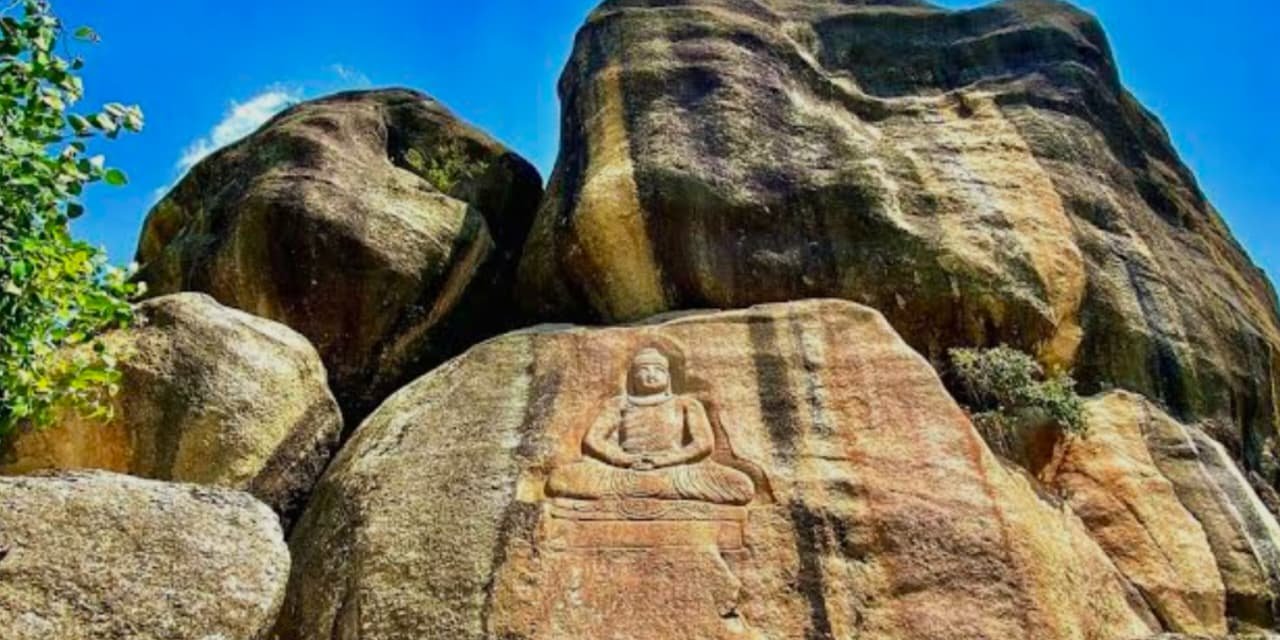
  • Morning: Drive 1.5 hours to the UNESCO World Heritage site of Takht-i-Bahi. The morning side-light is perfect for capturing the deep textures of the 1st-century Buddhist monastery ruins sprawling across the ridges.
  • Afternoon: Drive up the Swat Expressway toward Mingora. Frame the dramatic transition from the flat plains of Mardan to the jagged emerald hills of Lower Swat.
  •  Evening: Capture the sunset over the roaring Swat River near Fizzagat.
  • Overnight Stay: Mingora / Saidu Sharif.


Day 3: Swat Valley (Mingora to Kalam)

  • Morning: Capture local life in Upper Swat as you drive past the riverside town of Bahrain. Look out for cascading waterfalls along the road.
  •  Afternoon: Arrive in Kalam Valley. Head straight into the dense Ushu Forest. The way the sunlight filters through the towering deodar trees creates a mystical, cinematic atmosphere for landscape photography.
  •  Evening: Frame the snow-capped peak of Mount Falaksair reflecting in the Swat River during the blue hour.
  • Overnight Stay: Kalam.


Day 4: Kalam to Chitral via Lowari Tunnel

  • Morning (Long Drive Day): Wake up early for a long, rugged drive back down to Chakdara and then north toward Dir.
  • Afternoon: Cross the Lowari Tunnel, the dramatic portal that brings you into the arid, high-altitude landscape of the Hindu Kush range. The scale change here is immense—perfect for wide-angle mountain photography.
  • Evening: Arrive in Chitral town. Catch the last light illuminating the majestic Chitral Fort and the white marble domes of the Shahi Mosque against the backdrop of Tirich Mir (25,263 ft).
  • Overnight Stay: Chitral Town.


Day 5: Chitral to Kalash Valley (Bumburet)

  • Morning: Photograph the vibrant morning fruit and spice bazaar in Chitral. Drive 1.5 to 2 hours over rough jeep tracks into Bumburet, the largest of the three Kalash Valleys.
  • Afternoon (Portrait Photography): Walk through the traditional wooden, stacked houses of the Kalash people. With their consent, capture stunning environmental portraits of the Kalash women wearing their iconic Piran (black gowns) and Shushut (cowrie-shell headwear).
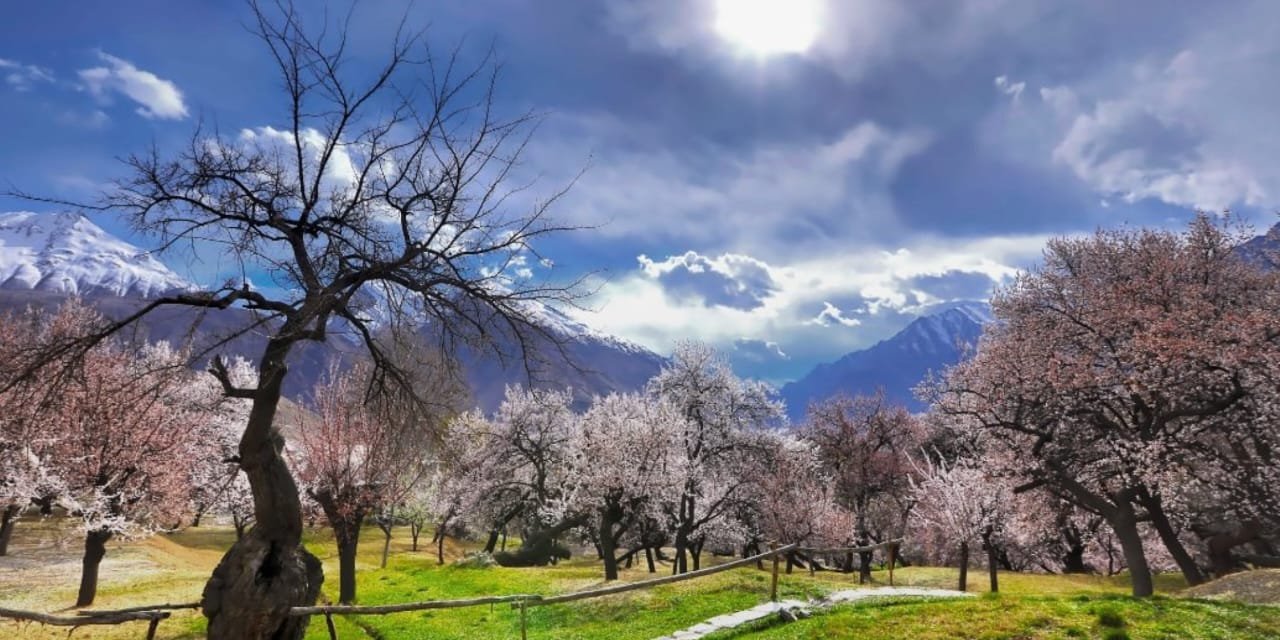
  • Evening: Walk down by the valley streams to capture the autumn or spring foliage framing the village lifestyle.
  • Overnight Stay: Bumburet Valley.


Day 6: Kalash Valleys (Rumbur Exploration)

  •  Morning: Make the rugged drive to Rumbur Valley, which feels even more pristine and traditional than Bumburet.
  • Mid-day: Focus your lens on the unique architecture of the Kalash temples (Mastan) and the intricately carved wooden pillars. Look out for elders sharing oral histories in the village squares.
  •  Evening: Photograph the communal dancing or daily chores as the high mountain shadows sweep across the narrow valley floor.
  • Stay: Rumbur or Bumburet.


Day 7: Kalash Valleys back to Dir / Lower Swat

  • Morning: Capture your final morning mist shots in Kalash before starting the journey return to  the Chitral City.
  •  Afternoon: Drive out of Chitral district,take photos of local farmers working in the fields,the sunset time on Trichmir peak. Keep your camera ready on your lap for important roadside stops to photograph suspension bridges and rushing rivers.
  • Evening: Dinner Out
  •  Overnight Stay: Chitral Town 


Day 8: Return to Peshawar & Departure
  • Morning: Complete the final leg of the drive back to Peshawar.
  •  Afternoon: Spend your final hours picking up detail shots of local craftspeople making traditional Peshawari Chappals (leather sandals) or hand-hammered copper plates in the old bazaars.
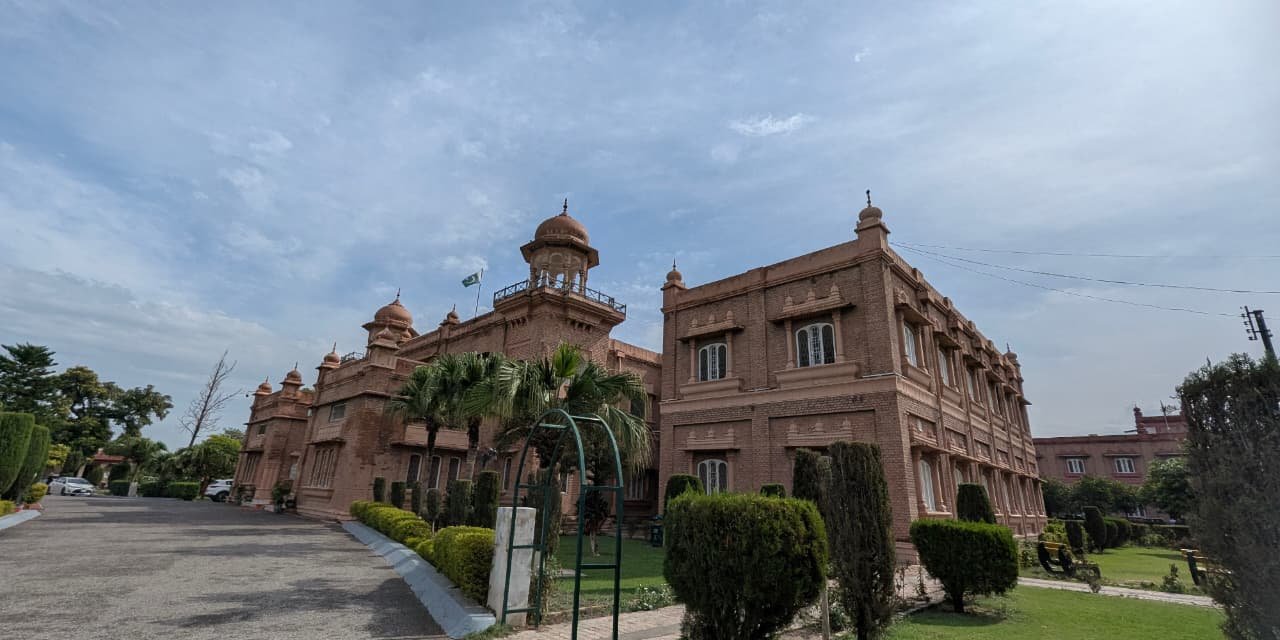
  • Exploring the architectural mansions of colonial era,the historical Mahabat Khan Mosque,the caravansarais,traditional tea shops.
  •   The famous Truck Art & painting by artisans. 
  • photographing the legendary open-fire mutton tikka karahis being prepared by local chefs.
  • Photography of the famous Guns market & the gunsmiths over there. 


Book this tour...