
Spring awakens in the mountains.
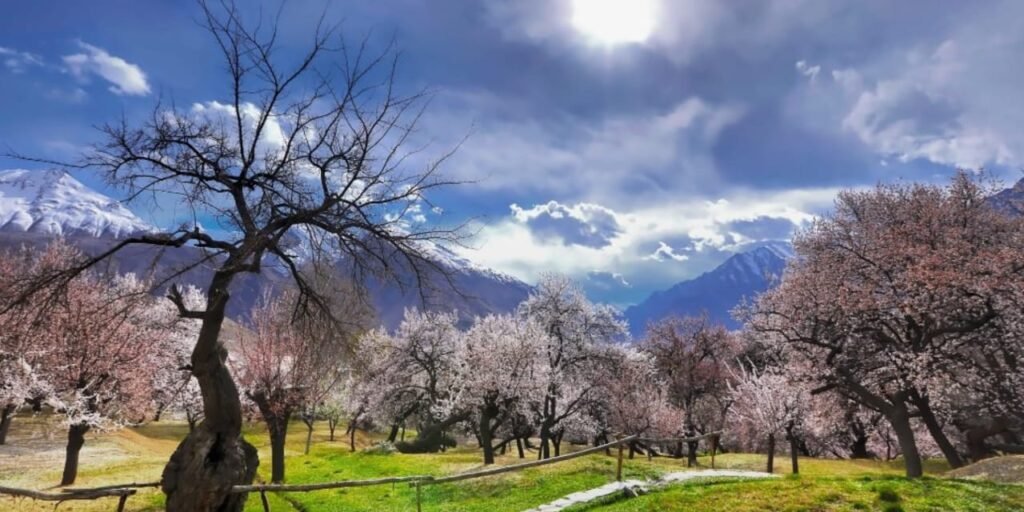
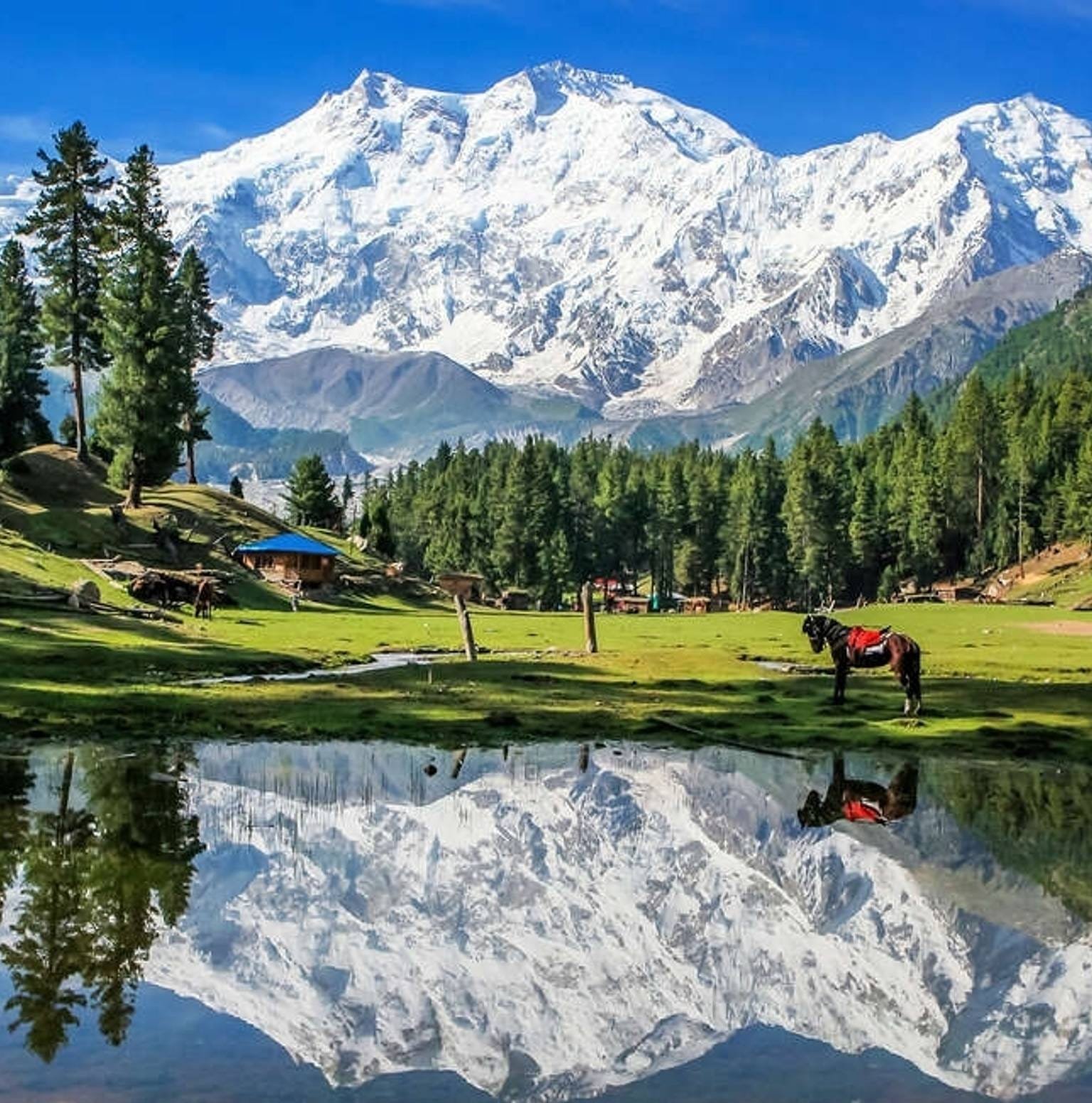
A cherry blossom tour of Hunza and Skardu is one of the most magical spring experiences in the world, where vibrant pink and white petals contrast against towering snow-capped peaks and turquoise glacial lakes. Occurring every spring in Northern Pakistan’s Gilgit-Baltistan region, this transient season transforms rugged alpine deserts and terraced mountain villages into a living fairytale. While commonly referred to entirely as “cherry blossom season,” travelers are treated to a multi-layered explosion of blooms from apricot, almond, peach, pear, and apple orchards.
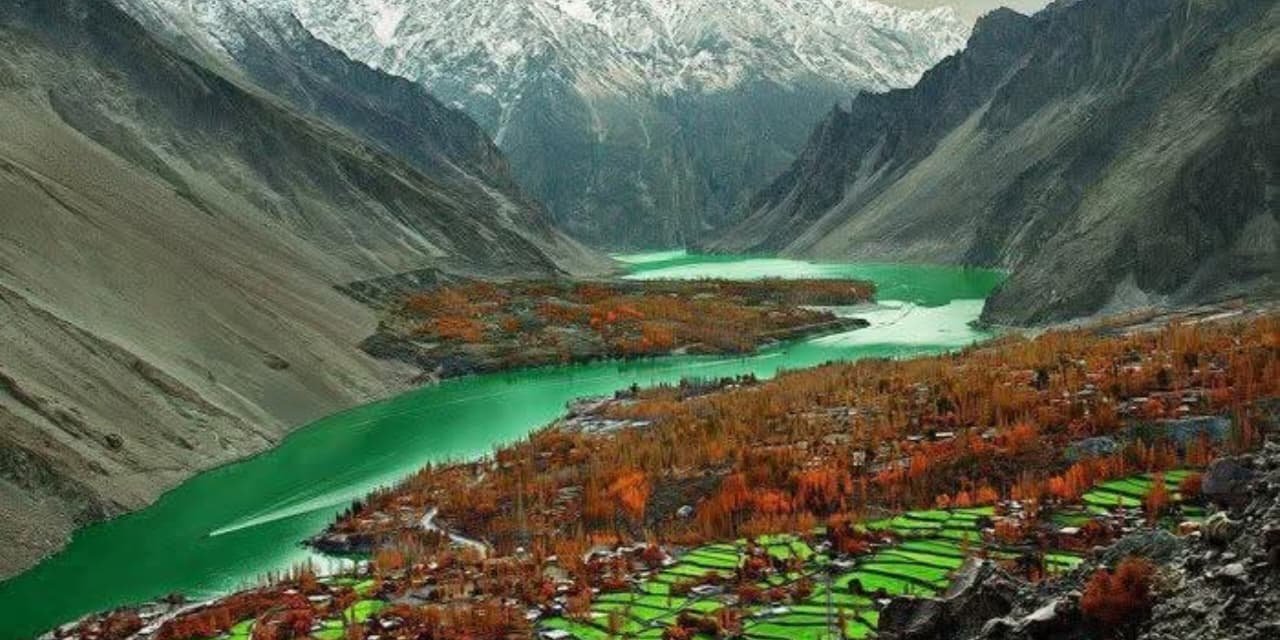
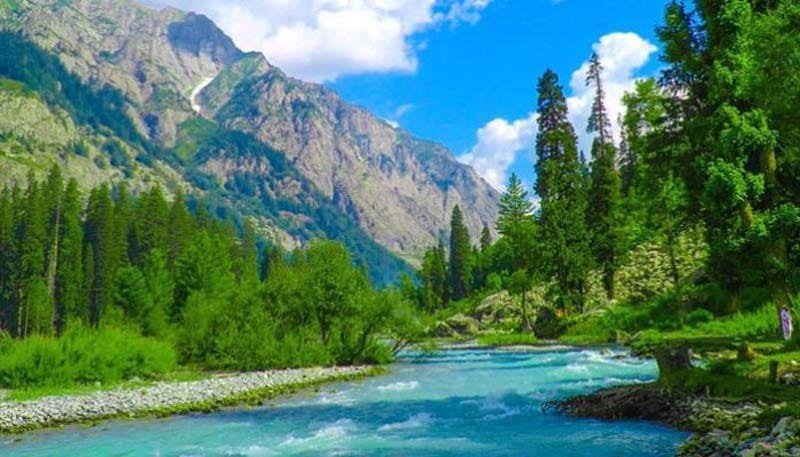
Springtime in Hunza Valley is a masterclass in natural color theory, turning the rugged landscape of Gilgit-Baltistan into an absolute wonderland for photographers. Unlike autumn’s deep earth tones, spring is defined by high-contrast, luminous pastel hues set against violent, dark mountain architecture and neon-blue glacial waters.
Apricot Trees (The Soft Snowscapes): Apricot trees are the true lifeblood of Hunza’s agricultural landscape and usually bloom first. They produce dense clusters of creamy white and ultra-pale blush-pink flowers. When an entire village orchard blooms at once, it creates a misty, cloud-like blanket across the greening terraces, mimicking a fresh, soft snowfall against the dark granite cliffs.
Cherry Trees (The Electric Pinks): Following shortly behind the apricots, cherry blossoms (Sakura) provide the bold pops of color. They bloom in vibrant, deep magenta and shocking cotton-candy pinks. These trees offer high-saturation visual anchors that pierce through the composition, perfectly drawing the viewer’s eye into the frame.
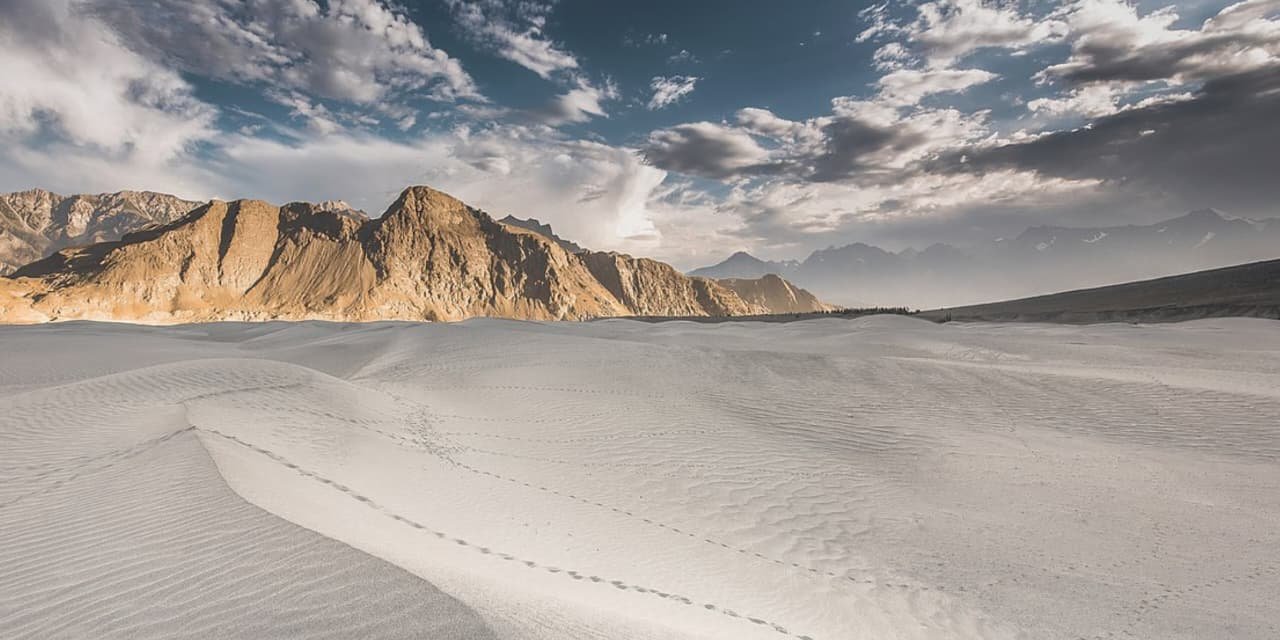
A spring Skardu cherry and apricot blossom tour offers a grand, wild, and deeply historic perspective of Pakistan’s northern landscapes. Happening primarily throughout April, the vast Indus River basins, high-altitude alpine deserts, and ancient stone kingdoms of Baltistan transform into a vibrant oasis of white apricot clouds and electric pink cherry trees.Compared to the narrow gorges of Hunza, Skardu offers wide-angle, expansive vistas where the delicate pastel petals clash dramatically with sprawling sand dunes and monolithicPeak stone faces.
Peak Window: The most reliable time to visit for full bloom is March 25 to April 25.
Altitudinal Wave: The lower valleys of Shigar and Skardu town bloom first, while the higher altitude villages of Khaplu and Upper Kachura peak toward mid-to-late April.
Inclusions
English-speaking guide
Sightseeing tickets
Grand Cabin/Car
Local lunch
Pick-up and drop-off services
Not Included
Lunch
Tips for driver and guide
Services not specifically stated in the itinerary
Tour Price Starting : 1700 €
Price Break-up (Number of Persons)
| Destinations | Destination | Price Per Pax | Number of Pax | Group Size | Price Pax |
|---|---|---|---|---|---|
| Islamabad | Islamabad | 1700 € | 01 – 03 | 4 – 6 | 1500 € |
| Hunza / Skardu | — | 1400 € | 07 – 09 | 10-15 | 1200 € |
Tour Plan
10 Days / 11 Nights
Tour Price: 1700 €
Day 1 – Islamabad to Skardu via Chilas or Naran
Early morning Departure from Islamabad for a scenic drive via the Hazara Expressway.Stop at Lulusar Lake and Babusar Top before reaching Chilas for the night. Driving through Kaghan, Naran valleys are the most adventurous, Fascinating moments to capture.
Day 2 – Exploring Skardu
Early morning travel to Skardu valley, as we arrive there before checking in, we will explore the beautiful Lake called Upper Kachura, take some photographs & relax a bit. Definitely how we can forget to walk around Shangrila Resort, one of the beautiful Resorts of Pakistan. Latter before evening we will check in to our designated hotels
Day 3 – Travel to Deosai Plains
We will proceed towards Deosai Plain by Jeeps as the journey requires a robust 4×4 vehicle due to rugged, high-altitude terrain, the roads are more challenging, direct path from Skardu via Satpara Lake. The second highest plateau on Earth, Deosai is open for only a few summer months, offering stunning landscapes, unique wildlife like Himalayan Marmots, and iconic spots such as Sheosar Lake, Bara Pani, and Kala Pani.
Day 4 – Overnight stay at Skardu / En route to Shigar Valley
A journey to Shigar Valley , begins from Skardu early morning via a scenic bridge over the Shigar River and the enchanting Cold Desert, leading to attractions like the historic Shigar Fort, the Blind Lake, and the Amburiq Mosque. One can have a breathtaking panoramic view of the entire valley from Shigar View Point.
Day 5 – Skardu to Hunza
After check out we will start our journey towards Hunza valley it will take around 5-6 hours to reach Hunza, on the way we will stop at Rakaposhi viewpoint on the way to Karimaba. After check-in the tourists can stroll around Karimabad Bazar.
Day 6 – Hunza Valley Exploration
First of all we will start moving towards the ancient Baltit and Altit Forts. To visit Altit Fort in Hunza, you will find it is a historic monument with an ancient museum and offers a rich cultural experience. showcasing artifacts from the royal family and ancient craftsmanship. Inside the fort, you’ll find a museum with ancient utensils, royal artifacts, and other items from the local craftsmen The fort’s location on a rocky hilltop offers a commanding view of the surrounding Hunza River and valley.
Day 7 – Khunjerab Pass & Lakes
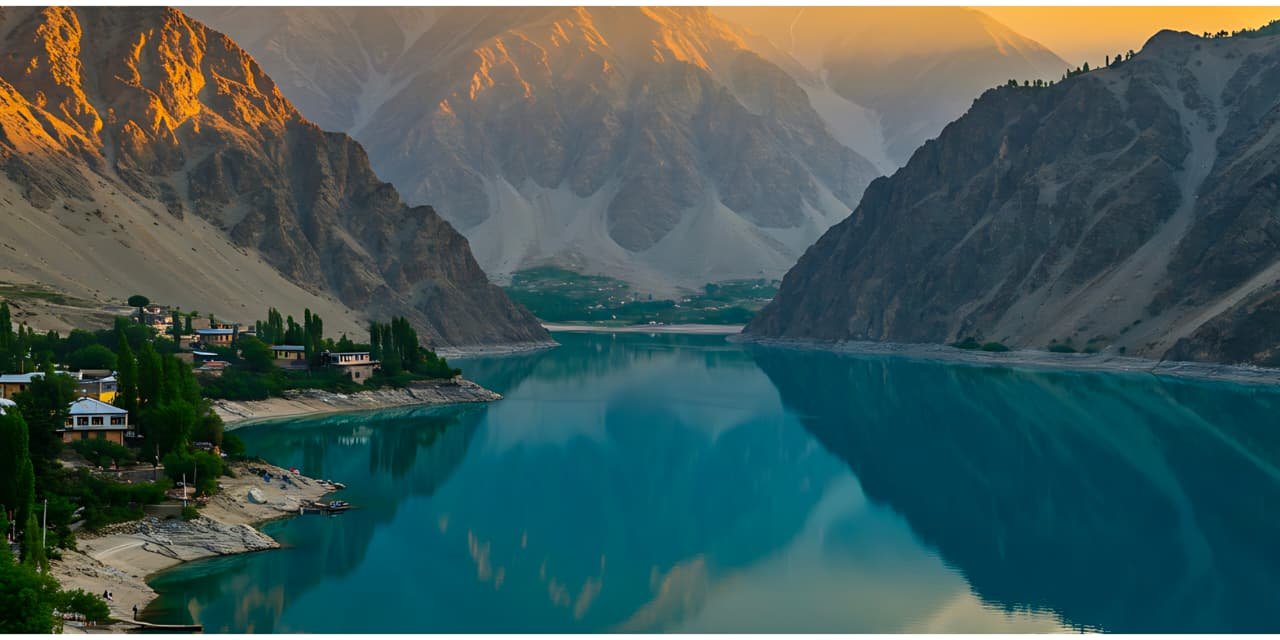
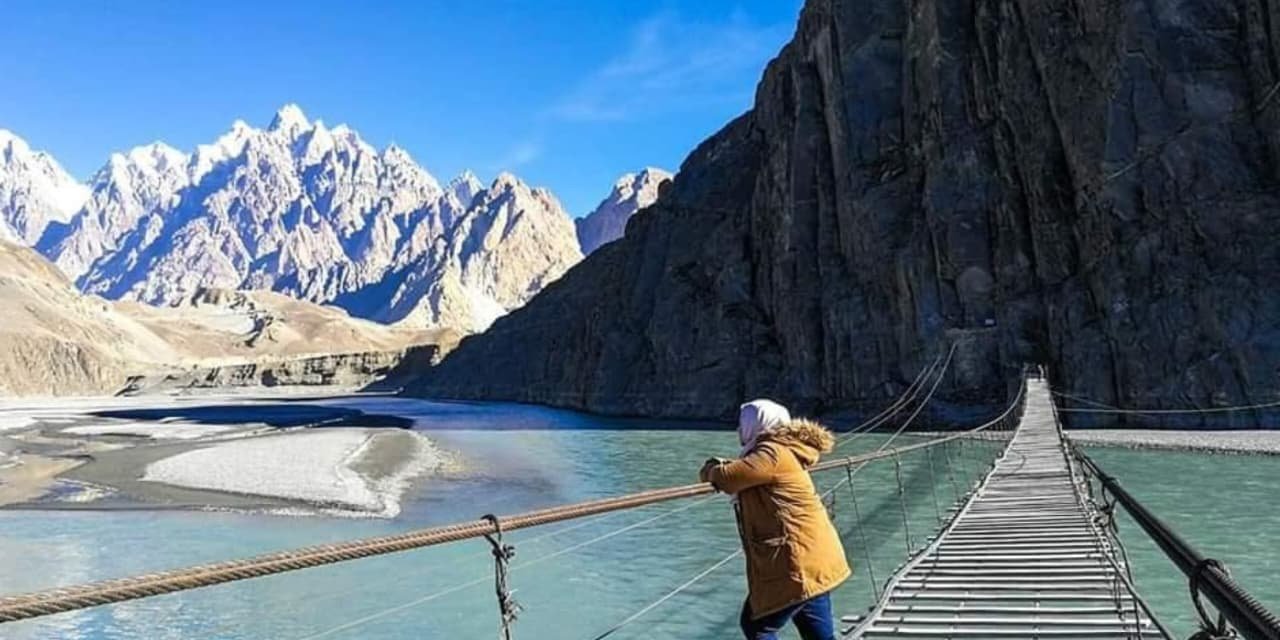
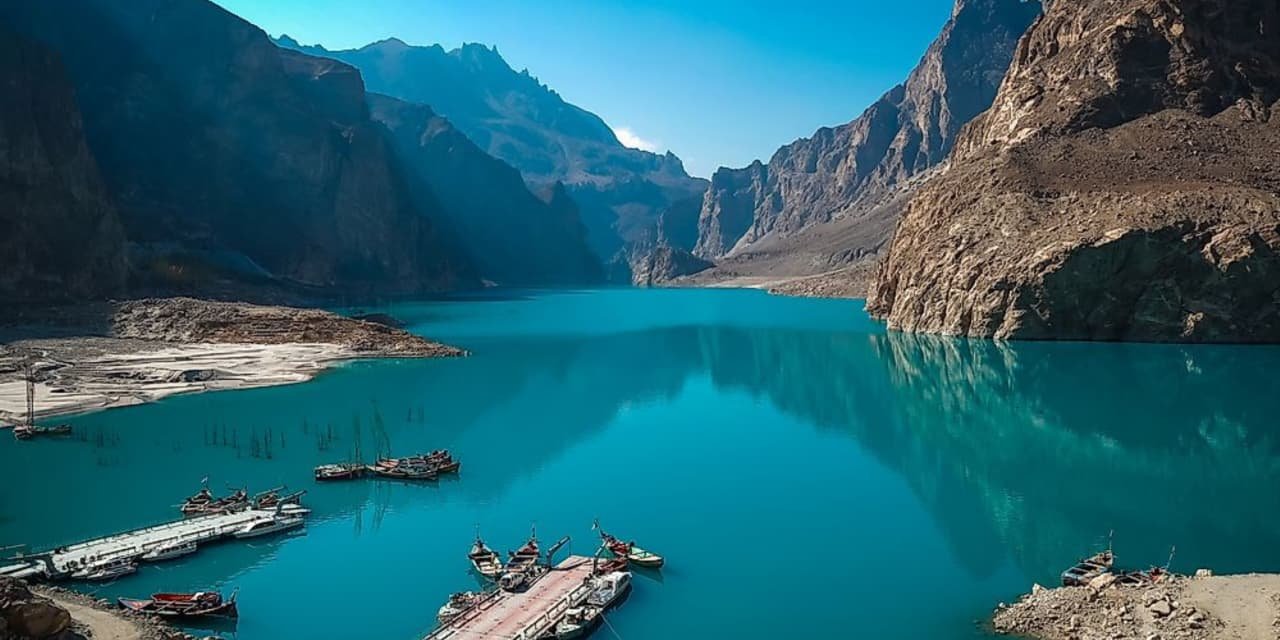
Early morning Drive to the Khunjerab Pass , Pakistan China border, as it takes four hours to reach there there, The route is scenic with high mountain views, we will Pass through Sust, it is the location of a customs and immigration post.On the way, stop at Attabad Lake and the Hussaini Suspension Bridge.one can have a chance of see yaks, Markhor, Murmut & other wildlife animals & Birds. We Will have a short stop at Attabad Lake which is the most picturesque place.
Day 8 – Nagar & Duiker
Hopper Valley is a scenic destination in Nagar District, known for its namesake Hoper Glacier, majestic mountain views including Spantik and the Golden Peak, and lush green pastures. Visitors can enjoy stunning glacier landscapes, explore charming villages, and experience the unique culture of the locals, which often involves Burushaski language. While a short drive from Hunza, exploration often includes trekking over glaciers and moraines to higher points of interest. , the Hoper Glacier is known for its “black” and white sections and is the main draw for visitors.Either the tourists can have a view of sunset at dawn time or before evening to enjoy the sunrise and sunset views from Duiker.
Day 9 – Naltar Valley
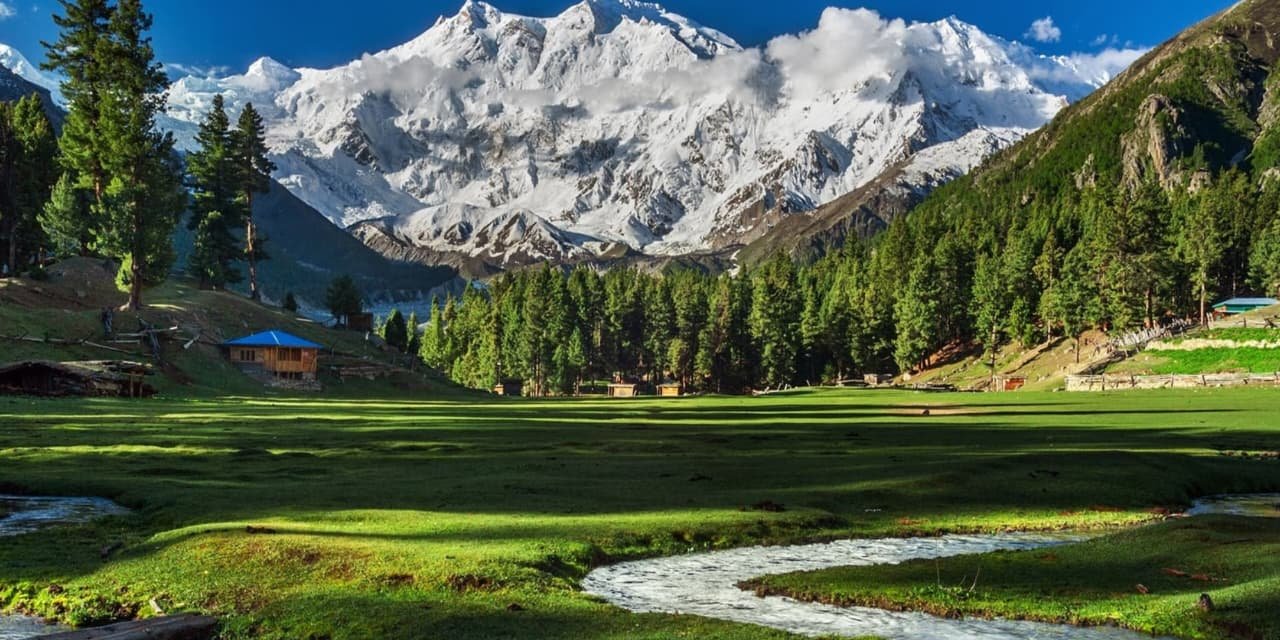
Naltar Valley is located about 35 KM (approximately 1 hour) from Gilgit city. Naltar Valley tour is a trip to one of Pakistan’s most beautiful valleys in Gilgit Baltistan, known for its year-round beauty, including skiing in winter and lush green landscapes and lakes in summer. One can enjoy stunning lakes like Satrangi Lake, Pari Lake, and Firoza Lake.
Day 10 – Return to Islamabad
As our Tour concludes we will start our journey towards Islamabad through Chilas road then on Babusar Top, though it’s a long hectic journey but try to reach Islamabad till night, if due to road closures or any other mishap, night stay will be arrange at Mansehra.
Day 11 – Arrival in Islamabad / Drop at Airport
End of the Tour
Modes of Transport
You can choose to travel by road (using dedicated cars and 4×4 jeeps for difficult terrain) or high roof van & Coaster for group members more than 14.Best suited transportation will be provided as per need of the situation.
Road: dedicated cars & 4×4 jeeps for difficult terrain
High roof van / Coaster for groups (14+)
Best suited transport will be provided as per situation
Road Closures
Babusar Pass road may be closed due to snow, impacting the route between Naran and Chilas.


Travel Routes Pakistan is a Licensed Professional Tour Company offering customized travel experiences across Pakistan,we offer cultural, historical tours to the cities & adventure trips in the mountains of Hindukush & Karakurum,we provide safe,reliable and memorable journeys with expert Guides and well planed itineraries .
Join our community of over 200,000 global readers who receive emails filled with news, promotions, and other good stuff.
