Explore Takht e Bhai- Taxila

Archaeological sites of Takht-i-Bahi and Taxila offer an unparalleled journey through the heart of the ancient Gandhara civilization. Both designated as UNESCO World Heritage Sites,since 1980, these destinations showcase a unique cultural synthesis where Greco-Roman artistic traditions blended seamlessly with early Buddhist philosophy. Touring these regions allows travellers to explore exceptionally preserved monasteries, ancient universities, and vast urban ruins that date back over two millennia.

 
   The Highlights: Takht-i-Bahi vs. Taxila
 
  Tour Breakdown: What You Will Experience
 
 Takht-i-Bahi: The “Throne of the Water Spring”
 
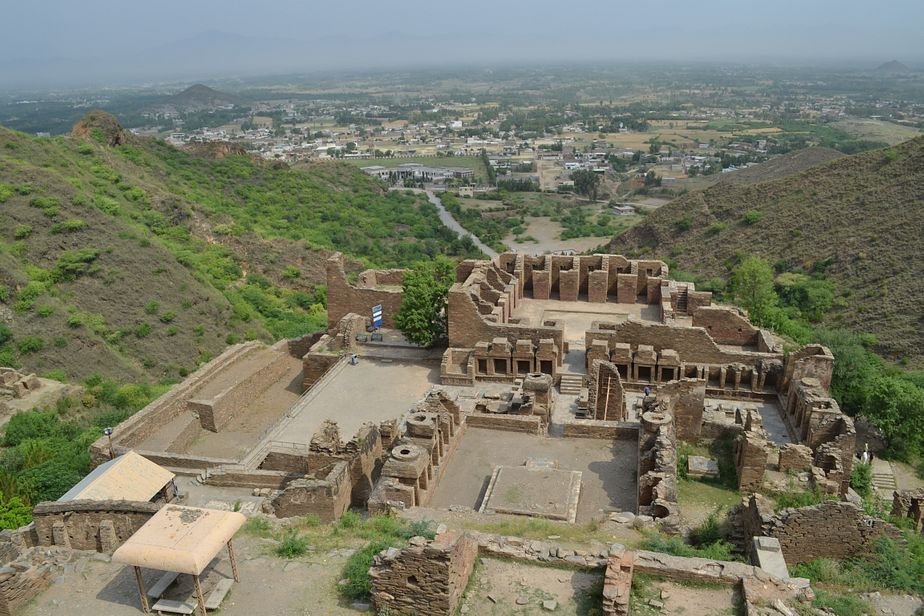
Takht-i-Bahi is an exceptionally well-preserved Buddhist monastery complex perched on a scenic ridge in Mardan, Khyber Pakhtunkhwa. Dating from the 1st century BCE to the 7th century CE, this UNESCO World Heritage Site stands as one of the most complete remnants of the ancient Gandhara civilization.Because of its high, isolated hilltop location, it escaped the destructive military invasions that flattened other regional monuments, leaving its architectural footprint remarkably.
 
  Key Architectural Highlights
 
  • The Court of Stupas: A central courtyard surrounded by a cluster of tall niches that originally housed grand, detailed statues of the Buddha.
  • The Monastic Cells: Tiny, stone-walled living quarters where resident monks slept, studied, and lived.
  • Dark Meditation Cells: Unique, low-ceilinged underground chambers designed for complete sensory deprivation during deep meditation.
  • The Assembly Hall: A large, communal gathering space used by the monastic community for lectures and meeting
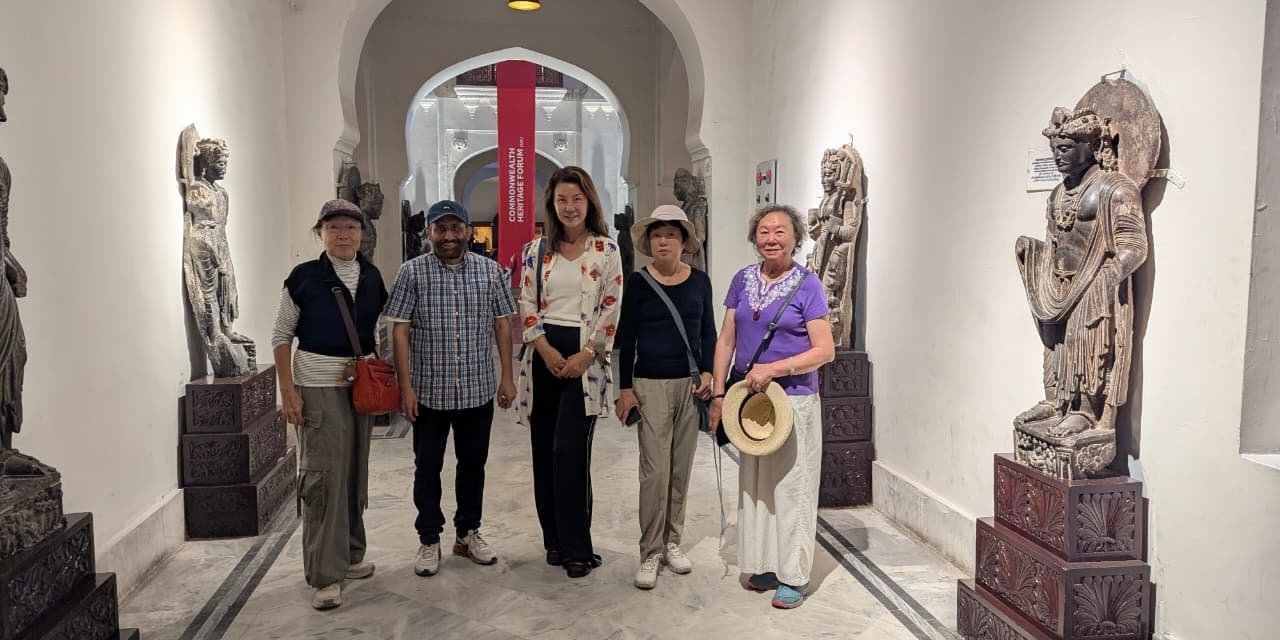
  Today, while the architectural ruins remain on the hillside, most of the intricate stone reliefs and stucco sculptures excavated from the site are preserved nearby in the Peshawar Museum.
 
The Ruins of Taxila 
 
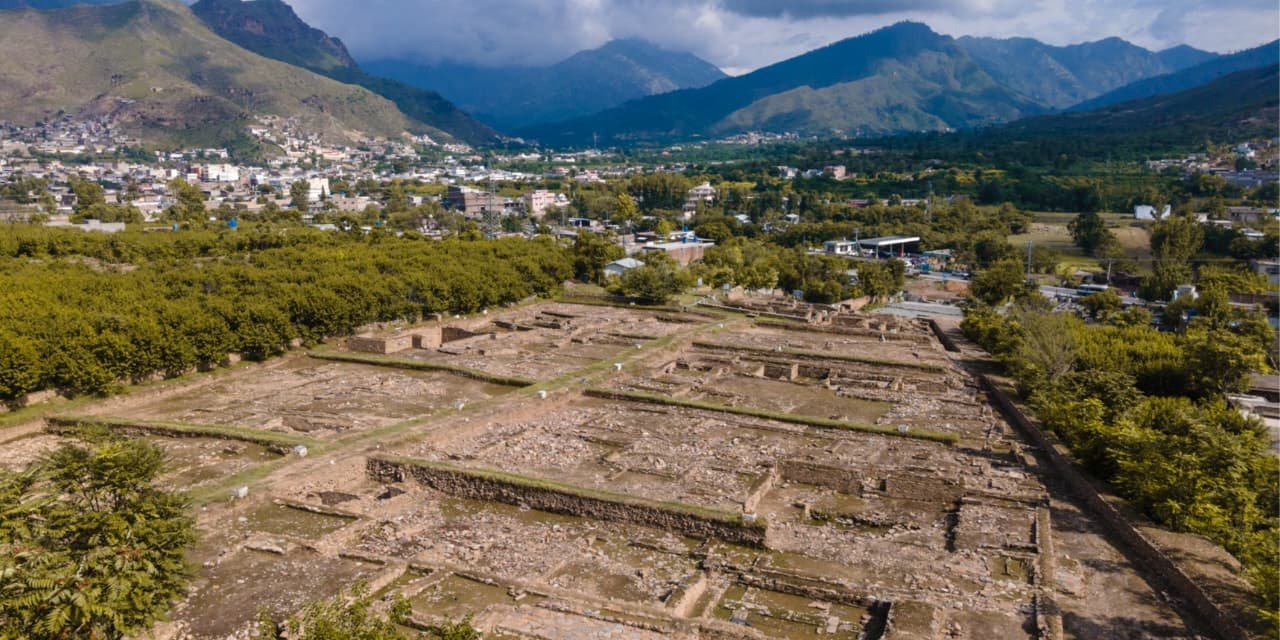
Bhir Mound : The oldest sector of Taxila, featuring irregular, organic street layouts dating back to the Achaemenid Persian and Mauryan eras. It is the very city that Alexander the Great marched into in 326 BCE.
 
Sirkap :S The second city, built by Greco-Bactrian kings in the 2nd century BCE. It is famous for its highly structured Western “grid-iron” street plan and the iconic Shrine of the Double-Headed Eagle.
 
Jaulian Monastery : Perched on a high hill, this site preserves the ruins of what is widely considered one of the world’s earliest international universities, complete with student quarters and highly detailed stucco Buddha statues.
 
FeatureTakht-i-Bahi (Mardan, KP)Taxila (Rawalpindi, Punjab)
Primary Archeological FocusA highly structured, mountaintop Buddhist monastery complex.A sprawling multi-city complex including urban ruins, stupas, and a historic university.
Key Eras1st Century CE to 7th Century CE.6th Century BCE to 6th Century CE (Achaemenid, Greek, Kushan).
Must-See StructuresMain Stupa Court, Dark Meditation Cells, Assembly Hall.Jaulian Monastery, Dharmarajika Stupa, Sirkap (the Greek city).
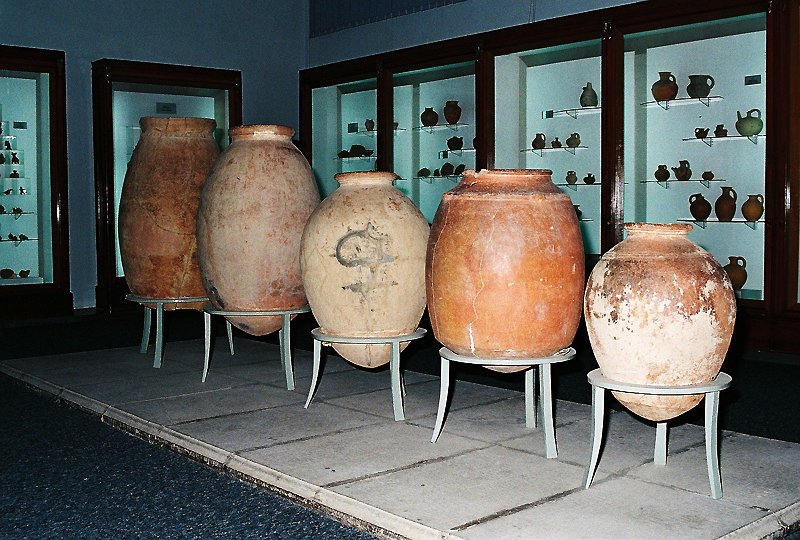
Artifact CollectionMost original sculptures are preserved in Peshawar MuseumOn-site masterpieces housed in the curated Taxila Museum.


Tour Inclusions:


  • Air-conditioned transportation

  • English-speaking guide

  • Sightseeing tickets

  • Pick-up and drop-off services


Tour Costing

DestinationDays No of PaxPrice Per Pax
 Islamabad  02         01 -02            150 – 250 
 Takht e Bhai         03 – 05           120 –  180 
 Taxila         06 – 10                 100
  Islamabad   

Tour Plan Itinerary

Day 1: The Mountain Throne of Takht-i-Bahi

Today involves a longer drive into the Khyber Pakhtunkhwa province to visit the most spectacularly preserved Buddhist monastery in the region.

  • 07:00 AM – Departure from Islamabad
      • Hit the road early via the M-1 Motorway toward Mardan. The drive spans roughly 165 kilometers and takes about 2.5 hours.

  • 09:30 AM – Arrival & Climb to Takht-i-Bahi Monastery
      • What to expect: This 1st-century BCE UNESCO World Heritage Site is perched majestically on a hill. You will need to hike up a stepped path to reach the main complex.
      • Highlights: Explore the Main Stupa Court, the vaulted assembly halls, the low-lying monastic cells, and the unique subterranean meditation chambers.

  • 01:00 PM – Traditional Lunch in Mardan
      • Head down into Mardan city or stop by a motorway service area. Trying local Mardan Chapli Kababs paired with fresh naan is highly recommended.

  • 02:30 PM – Optional Quick Stop: Jamal Garhi
      • If you have energy remaining, make a brief detour to Jamal Garhi, another ancient ruins site located nearby, known for its beautiful circular stupa court structure

  • 04:00 PM – Drive Back to Islamabad


Day 2: The Ancient University Town of Taxila
 

  • 08:30 AM – Drive to Taxila
    • Depart via the Grand Trunk Road (N-5) or the motorway link.
  • 09:30 AM – Taxila Museum
    • Why start here: The Taxila Museum is the ideal starting point because it houses an exceptional collection of Gandharan stone sculptures, stucco reliefs, gold ornaments, and ancient coins. It gives crucial context to the ruins you are about to see.
  • 11:30 AM – Dharmarajika Stupa
    • Drive to the grandest stupa in the region. Constructed by Emperor Ashoka, Dharmarajika is a massive, circular relic mound surrounded by smaller chapels and monastic rooms.
  • 01:00 PM – Lunch & Famous Taxila Oranges
    • Stop at a local restaurant for a quick lunch. If you are traveling during the winter season, be sure to grab some world-famous local Khanpur oranges from roadside vendors.
  • 02:00 PM – Sirkap Archaeological Site
    • Visit Sirkap, a fortified city planned out according to a classic Greek grid system by Greco-Bactrian kings. Check out the famous Double-Headed Eagle Stupa wall carving while walking down the main street.
  • 03:30 PM – Jaulian Buddhist Monastery & University
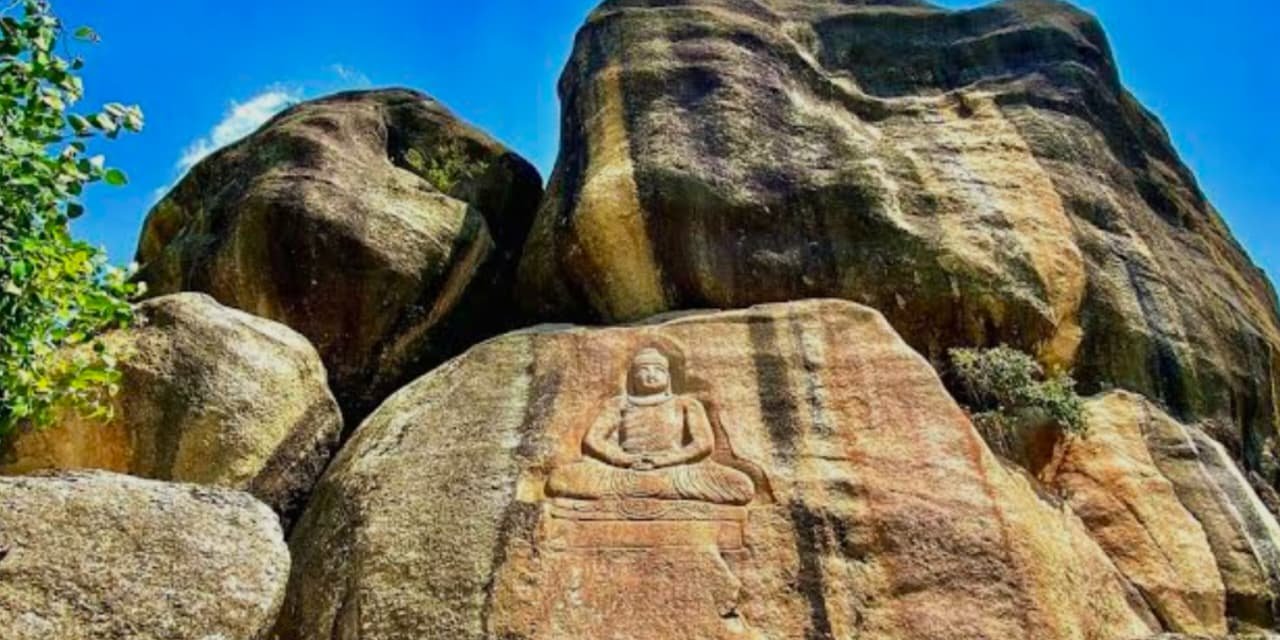
    • Conclude your historical tour at Jaulian, located on a quiet hilltop. This served as an ancient university site. It features incredibly well-preserved stucco Buddha figure and healing stupas.
    • 05:00 PM – Return to Islamabad
 
Quick Practical Tips
 
  • Comfortable Footwear: Both days involve quite a bit of walking on uneven rocky steps and dirt trails—wear sturdy sneakers.
  • Sun Protection: The sites are largely uncovered. Bring a hat, sunscreen, and plenty of bottled water.
  • Transport: Hiring a private air-conditioned car with a driver for both days is by far the easiest and most stress-free option to handle the regional routes.
 

Book this tour...