In the 1970s, thousands of young, adventurous travellers packed their bags, leaving behind the conventions of the Western world to embark on an extraordinary journey. It was known simply as the Hippie Trail an epic, low-budget overland trek that stretched from the streets of Western Europe all the way to Southern Asia.Driven by a desire for cultural connection, spiritual awakening, and sheer adventure, these wanderers transformed travel forever.
The Route: From London to Kathmandu
The journey was fluid, but the classic Hippie Trail had a definitive starting point and a legendary finish line.
• The Departure: Most travellers started in hubs like London, Amsterdam, or Paris.
• The European Gateway: They moved southeast through Yugoslavia and Greece, converging at the true crossroads of East and West: Istanbul, Turkey.
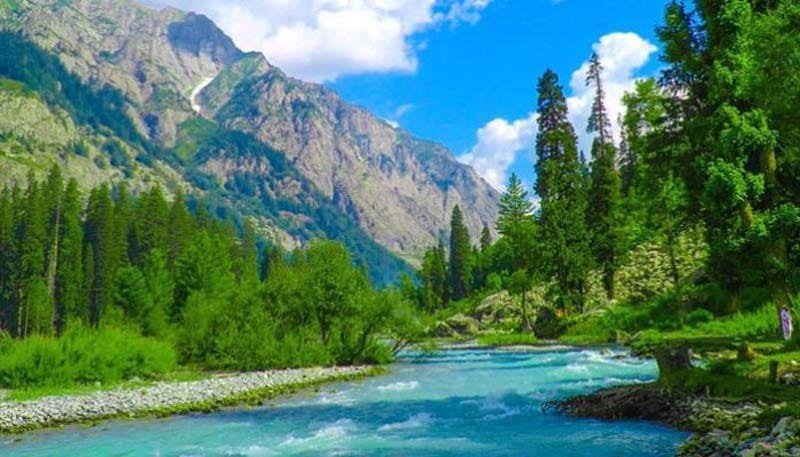
• The Middle Eastern Stretch: From Istanbul, the trail cut across the dramatic landscapes of Iran (enjoying the vibrant cafes of Tehran) and into the rugged, welcoming terrains of Afghanistan.
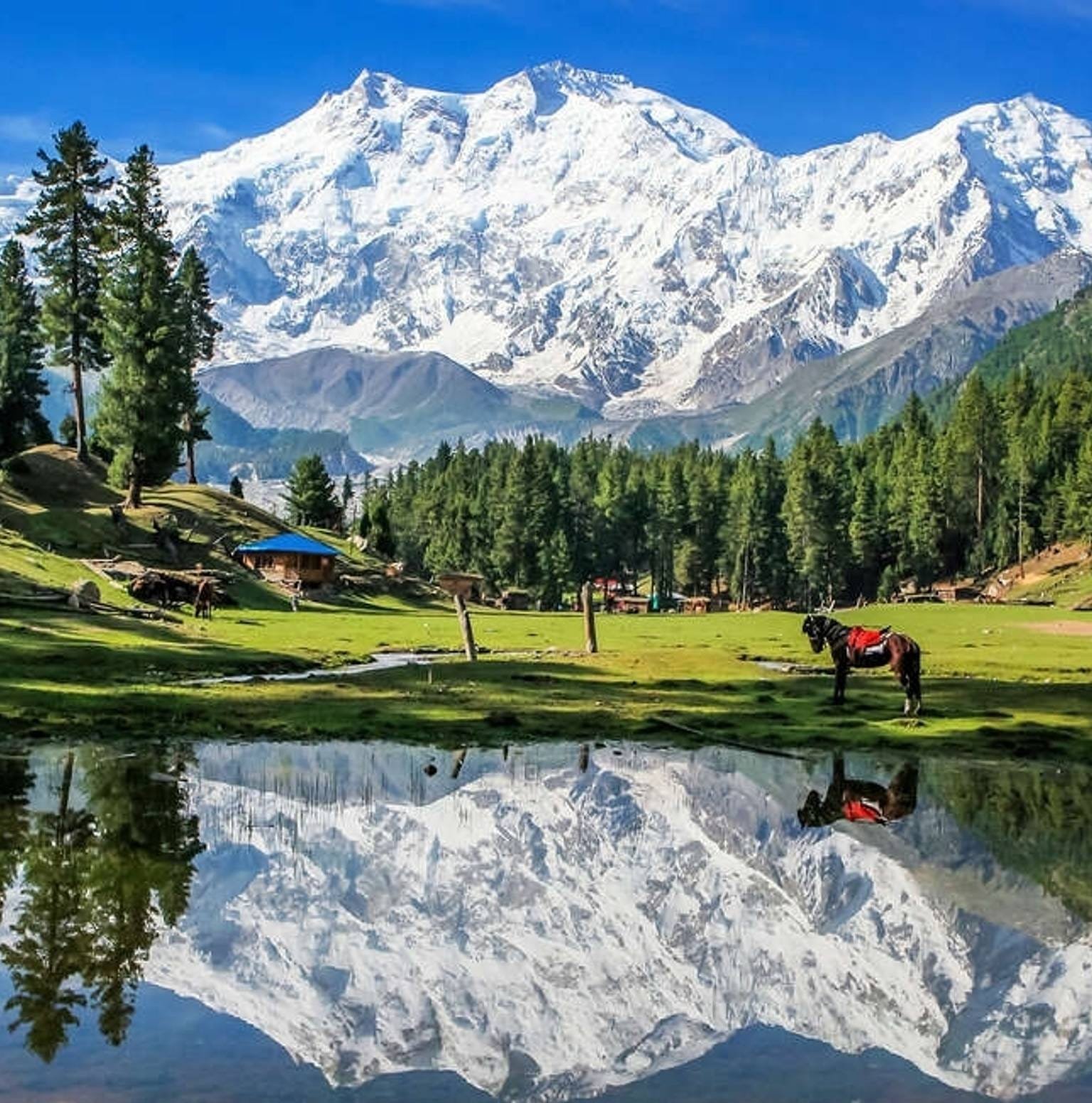
• The South Asian Finale: Travelers crossed the famous Khyber Pass into Pakistan, journeyed down through India (with major stops in Delhi and Goa), and finally reached the ultimate spiritual baseline: Kathmandu, Nepal.
Magic Buses and Hitchhiking
The Hippie Trail wasn’t about luxury; it was about the journey itself. Traveling on a shoestring budget of just a few dollars a day, “over landers” used a patchwork of transportation:
The Magic Buses: Famous commercial operators like Indiaman and Top deck ran converted double-decker buses or old coaches directly from London to Delhi.
Cheap Local Transit: Many chose to hop between local trains and crowded regional buses, sharing space with local merchants and livestock.
Vans and Beetles: Tight-knit groups bought second hand VW camper vans or old cars, driving themselves across desert highways and mountain passes.
Cultural Crossroads and Lasting Legacies
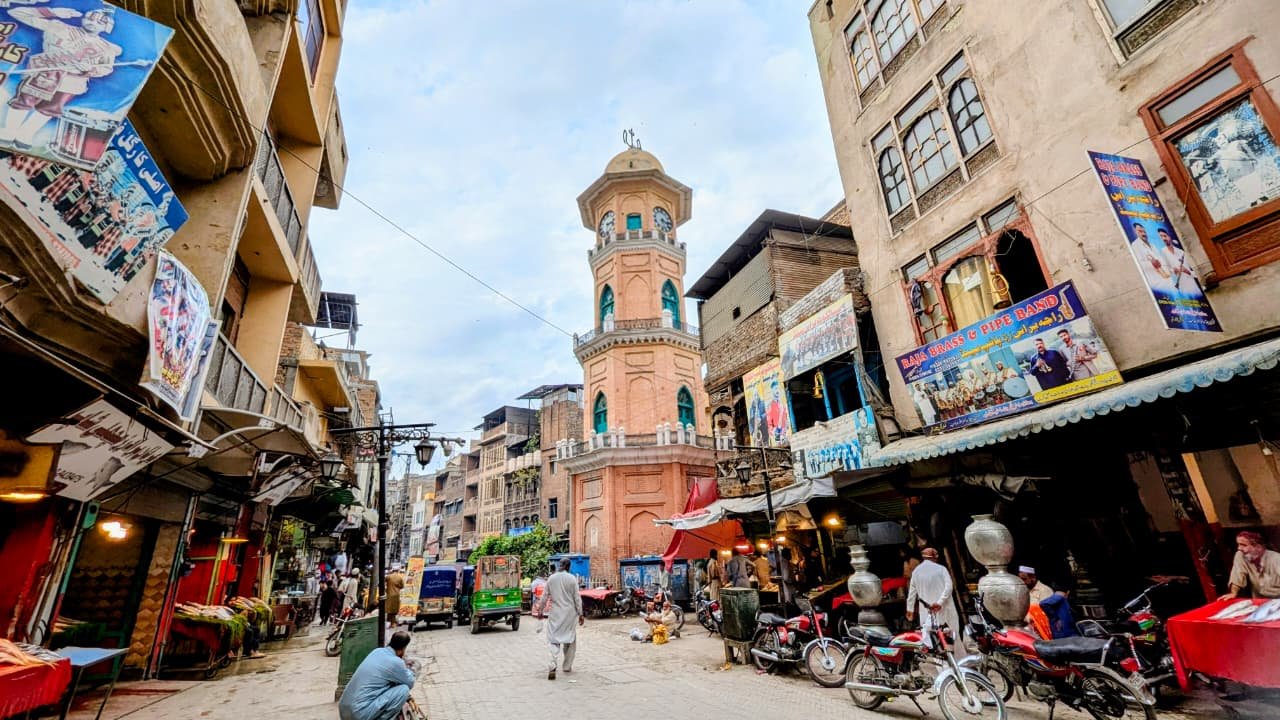
What made the 1970s Hippie Trail so magical was the deep cultural exchange. Local hospitality along the route was legendary. In cities like Kabul and Peshawar, travelers were welcomed into teahouses, sharing stories with locals over green tea and traditional bread.
The trail heavily influenced Western pop culture. It popularized Eastern philosophy, yoga, and meditation in the West. Music, fashion, and art took vibrant cues from the textiles and sounds gathered along the road.
By the late 1970s, shifting geopolitical landscapes closed many of the traditional overland paths, sealing the classic Hippie Trail into the history books as a unique, golden era of free-spirited exploration.