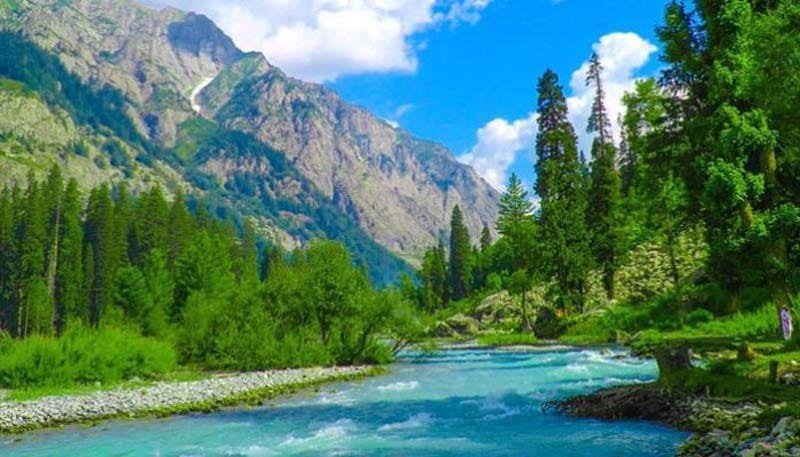
The Kalasha community, also known as the Kalash or Kalasha Valleys people, is an indigenous ethnic group living in the remote mountainous areas of Chitral District in northern Pakistan. Their origins are somewhat mysterious, with various theories suggesting links to ancient Indo-Aryans or Alexander the Great’s soldiers, though no definitive historical proof exists.

The Kalasha have preserved a distinct culture, language, and religion that are polytheistic and nature-centered, setting them apart from the predominantly Muslim population surrounding them. Despite external influences and modernization pressures, the Kalasha continue to maintain their unique traditions, festivals like Chilam Joshi, and vibrant folklore, making them one of the most culturally rich and fascinating communities in the region.

The Kalash Phool Festival  (also known as the Phoo’n or Pao Festival) is an annual autumn harvest celebration held every mid-October (typically around October 12–15/16) in the Kalash Festivals valleys of Chitral, Pakistan.Particularly centered in the Birir Valley, as well as Rumbur and Bumburet.

The Kalash Phool Festival Tour (also known as the Phoo’n or Pao Festival) is an annual autumn harvest celebration held every mid-October (typically around October 12–15/16) in the Kalash Festivals valleys of Chitral, Pakistan ,particularly centered in the Birir Valley, as well as Rumbur and Bumburet.

Here is everything you need to know about this colorful, ancient cultural event:
 
The Core Significance
 
  • Harvest & Abundance: The festival marks the end of the agricultural season and the successful harvesting of walnuts and grapes, which are vital winter staples for the Kalash community.
  • Environmental Harmony: It represents the community’s deep-rooted connection to nature, serving as a collective thanksgiving to their deities for a bountiful yield.
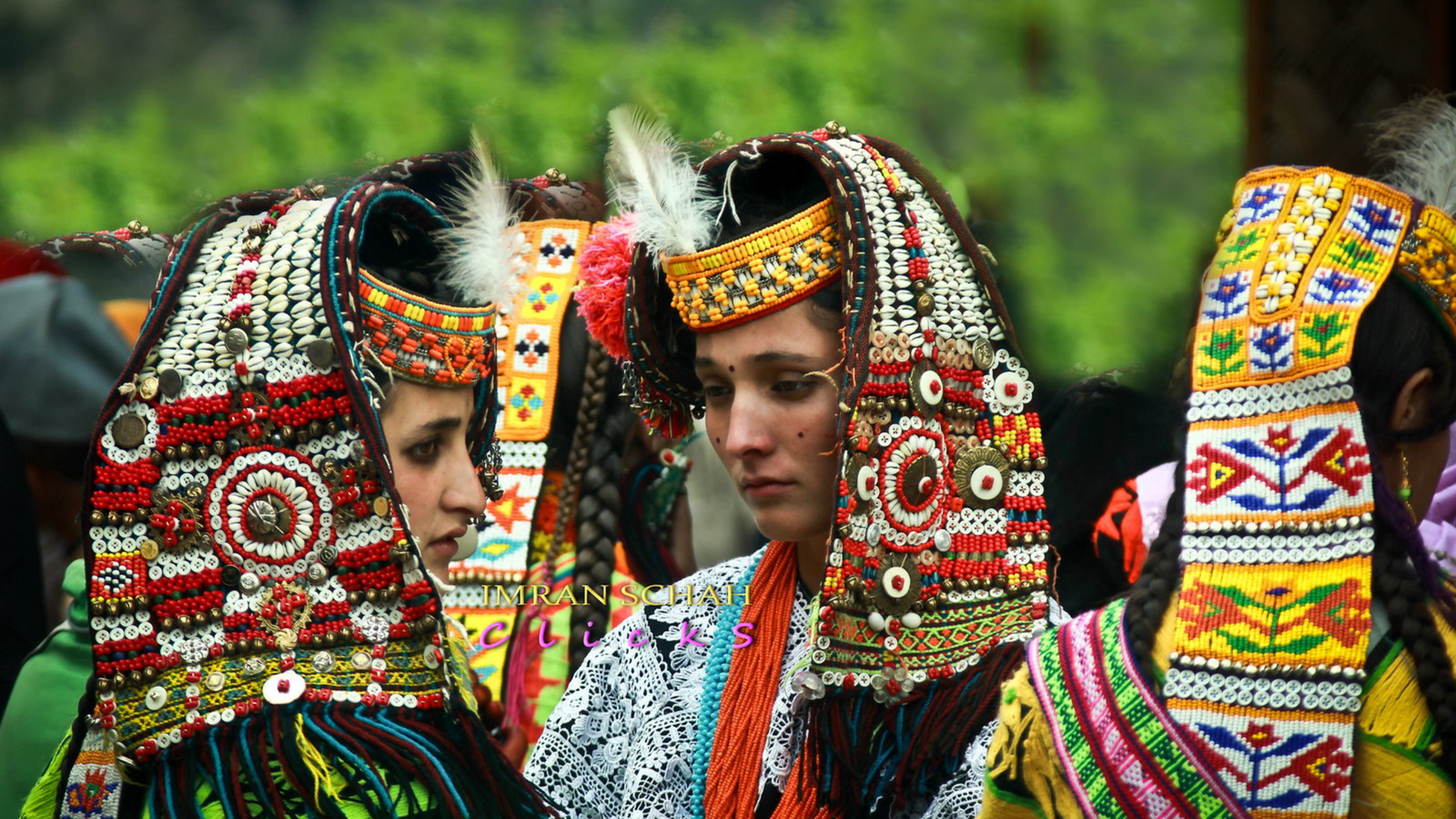
  • The Flower Tradition: The festival gets its name because the Kalash people hike up the high pasture mountains to pick fresh, wild autumn flowers. They return to the villages carrying these blooms to decorate their homes, shrines, and traditional headgear.
Key Rituals & Celebrations
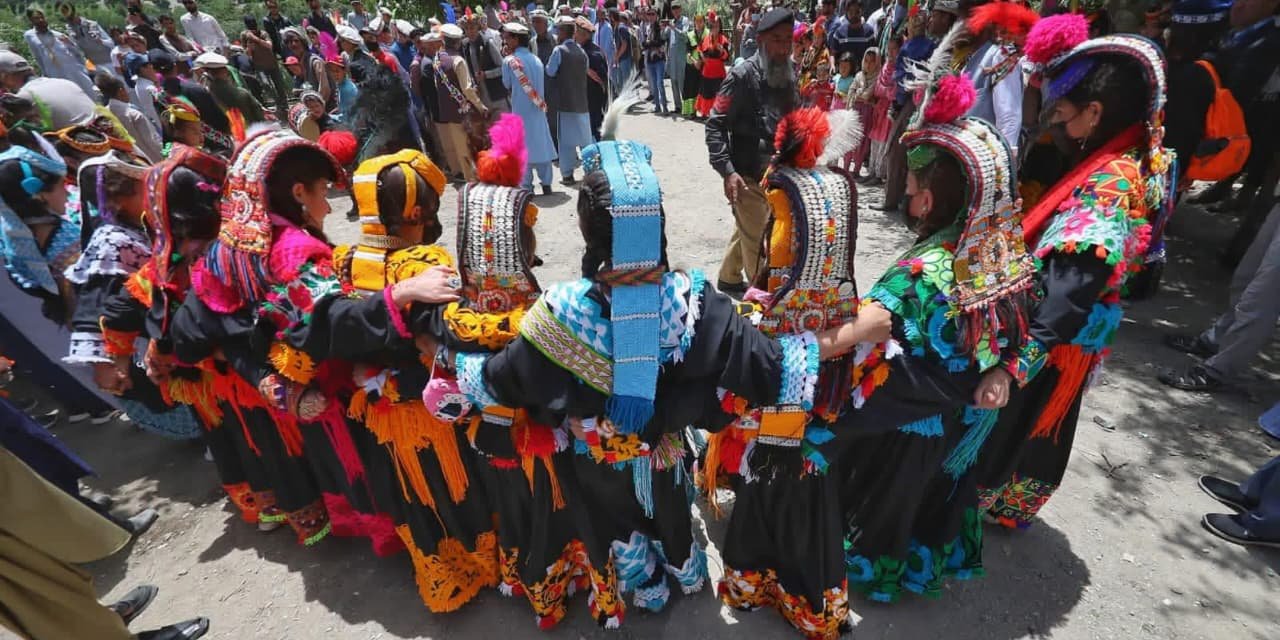
  • The Dance of the Elders: The celebration kicks off with community elders gathering at the Jastakhan (traditional temple) to sing ancient folk songs and perform ritual dances.
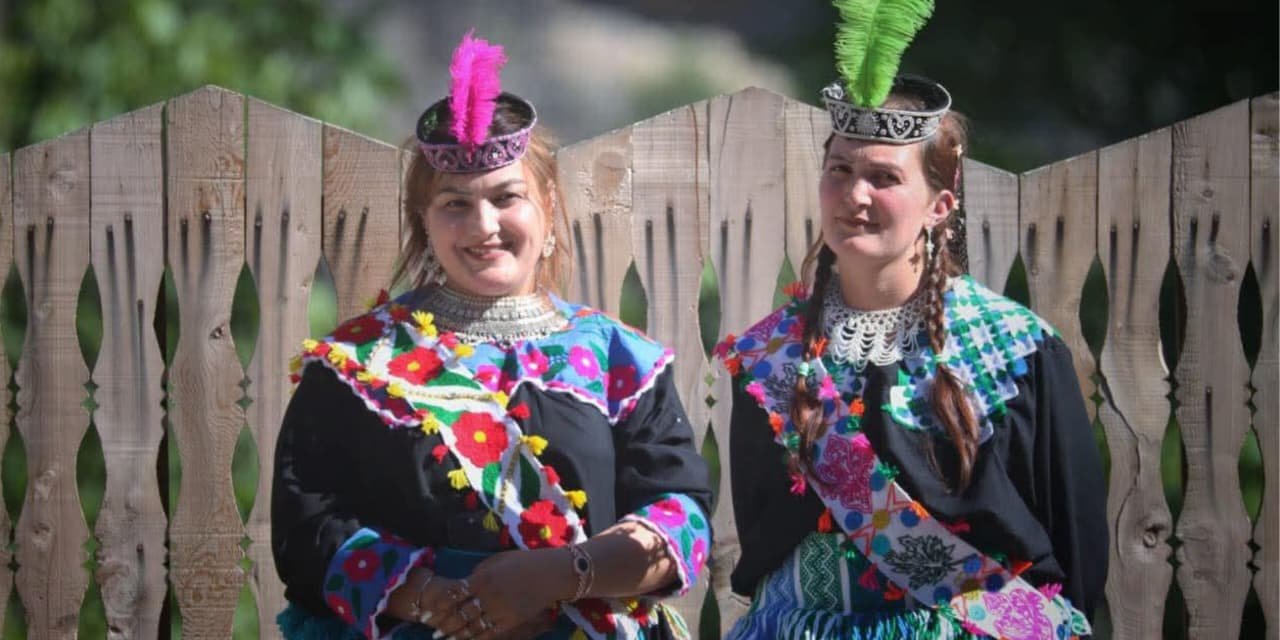
  • Coming-of-Age Ceremonies: A unique feature of the Phool festival is the ritual transition of young girls. Elderly women weave special, elaborate flower crowns and hats, placing them on the heads of young girls who have reached the age of maturity, symbolizing their entry into womanhood.
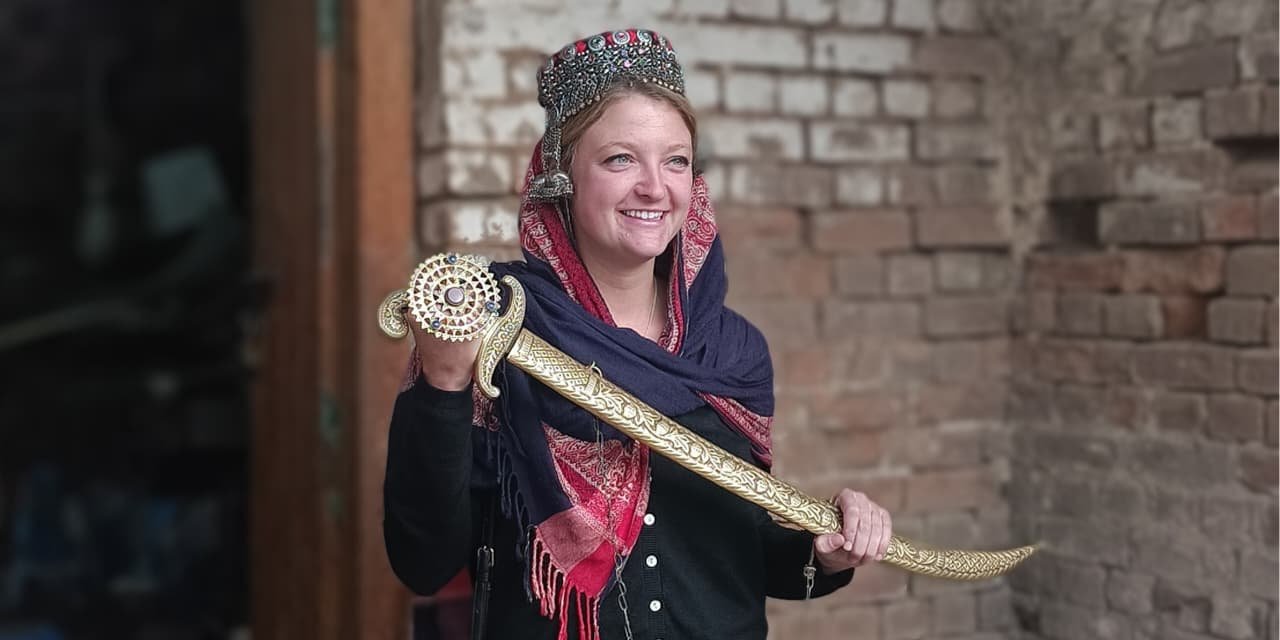
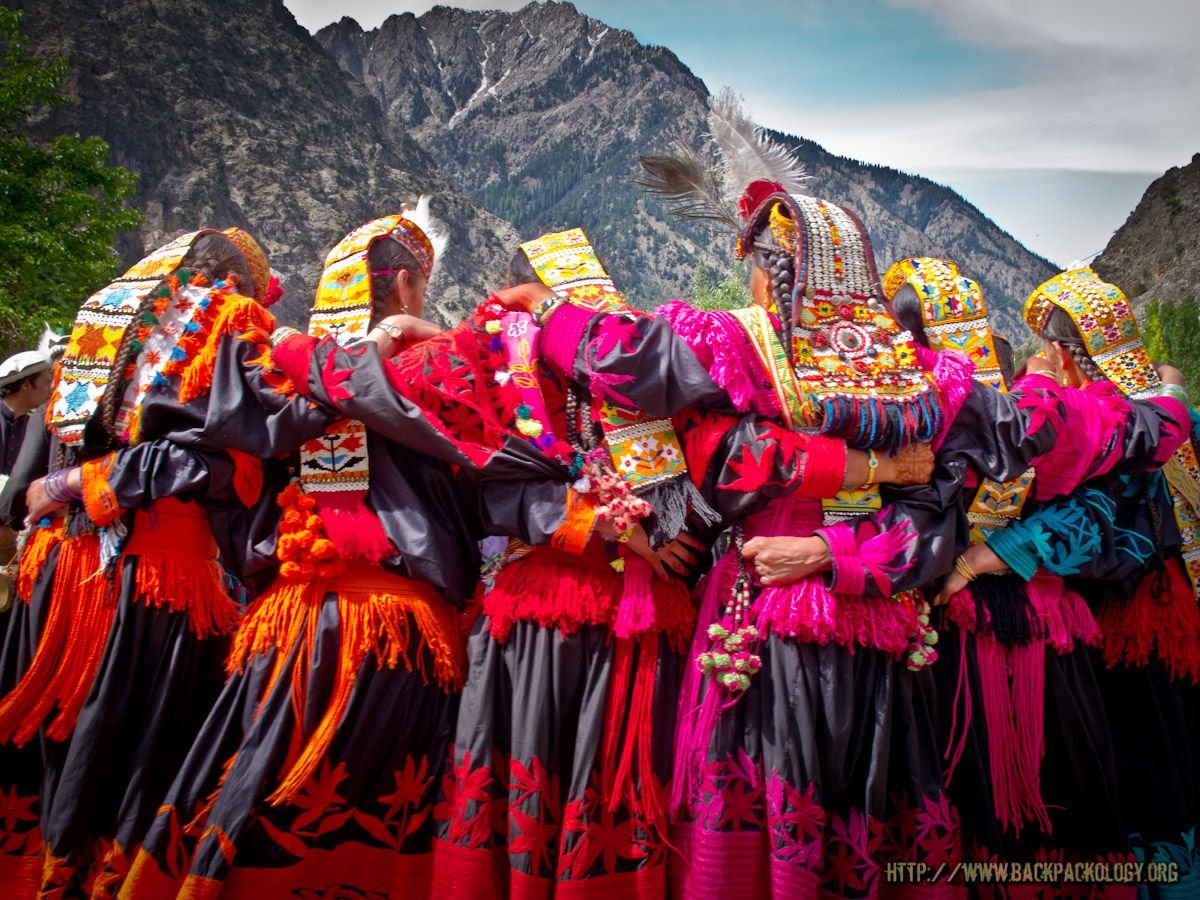
  • Traditional Attire & Music: Kalash women dress in their finest black gowns (Pirano) adorned with heavy, colorful bead necklaces and intricately embroidered headwear (Kupas). The air is filled with the rhythmic beating of traditional drums (Dahau) as men and women link arms to dance in large, swirling circles.
  • Winter Preparation: The festival marks the official end of the high pasture grazing season. The shepherds bring their livestock back down to the valleys before the harsh winter snows block the mountain passes.
When and Where it Happens
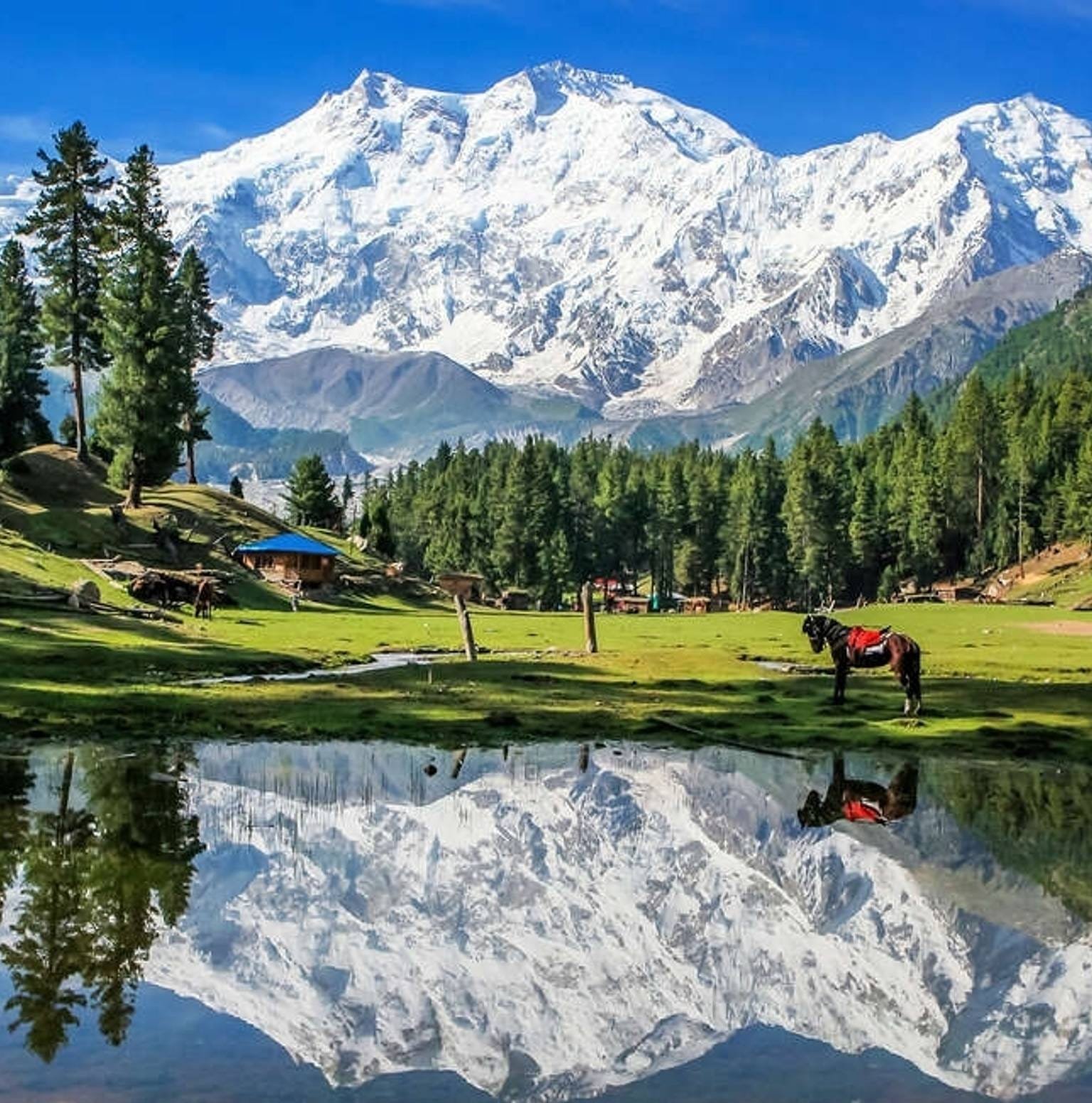
  • Location: Chiefly celebrated in the Birir Valley (about a 2 to 3-hour drive from Chitral town). Smaller-scale gatherings can also be observed in the Rumbur and Bumburet valleys.
  • Timing: It traditionally takes place between October 14th and October 16th every year, though exact dates can shift by a day or two depending on the crop harvest readiness.
 
Are you planning to attend the festival next autumn? If so, tell us :
  • Your travel budget (backpacking vs. private tour)
  • If you need a road itinerary from Peshawar or Islamabad
 
I can map out a complete route and travel checklist for you!


DestinationDays No of PaxPrice Per Pax
Islamabad-Chitral  07              01 – 03      € 1000 – 900
Garam Chashma   07            04 – 06       €   900 – 800
 Chitral -Berir   07             07 – 10      € 700 – 600
 Bumburait -Islamabad 07  

    Tour Inclusions:

  • Air-conditioned transportation

  • English-speaking guide

  • Sightseeing tickets

  • Pick-up and drop-off services

  • Standard Accomodation
  • Dinner/Breakfast

  Exclusions:

  • Services not specified in the itinerary

Tour Plan Itinerary

Day 1: Islamabad to Chitral
  • Early morning departure from Islamabad to Chitral by road (approx. 12-14 hours) or by flight (if available).

  • Arrive in Chitral, check into hotel, rest and light local exploration.

Day 2: Chitral Local Sightseeing
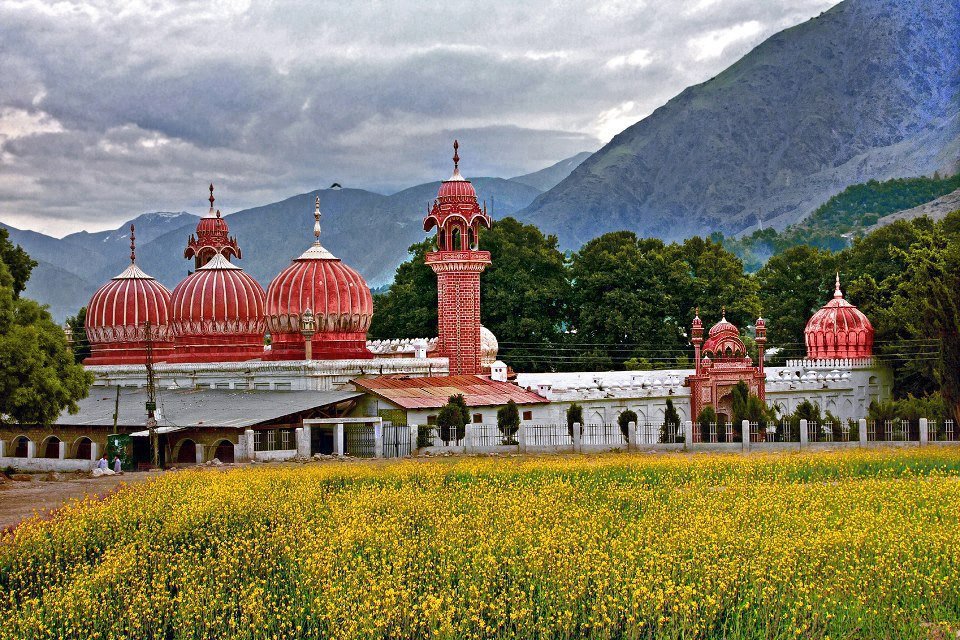
  • Visit Chitral Fort and Shahi Mosque.
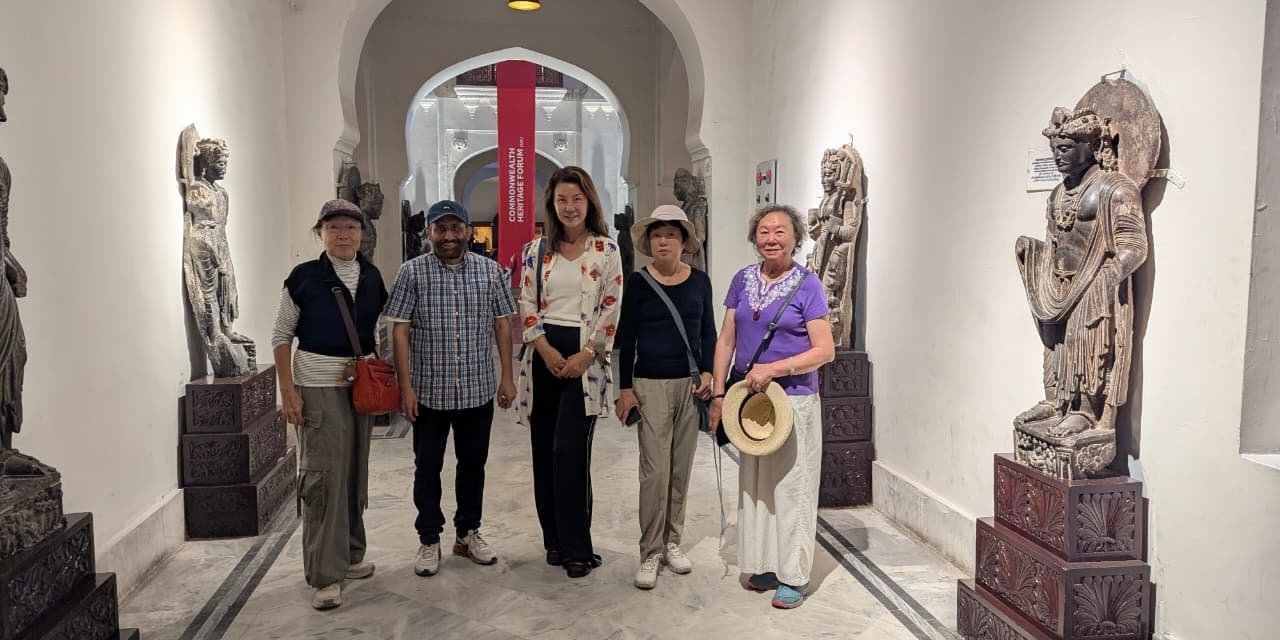
  • Explore Kalash Museum to learn about Kalasha culture.
  • Evening walk in Chitral Bazaar.
Day 3: Chitral to Garam Chashma
  • Drive to Garam Chashma (approx. 2.5 hours).
  • Visit the famous hot springs.
  • Explore surrounding natural beauty and local market.
  • Overnight stay in Garam Chashma.
Day 4: Garam Chashma to Bumburet
  • Drive to Bumburet Valley (approx. 3 hours).
  • Visit Kalasha villages, interact with locals, and observe traditional lifestyle.
  • Enjoy hiking and nature walks around the valley.
  • Overnight stay in Bumburet.
Day 5: Bumburet to Rumbur and Back to Bumburet
  • Day trip to Rumbur Valley (approx. 1 hour from Bumburet).
  • Explore more Kalasha traditions, ancient temples, and scenic spots.
  • Return to Bumburet for overnight stay.
Day 6: Bumburait to Peshawar
  • Early morning departure to Peshawar by road (approx. 7-8 hours).
  • Visit Qissa Khwani Bazaar, Mahabat Khan Mosque
Day 7 : Peshawar to Islamabad
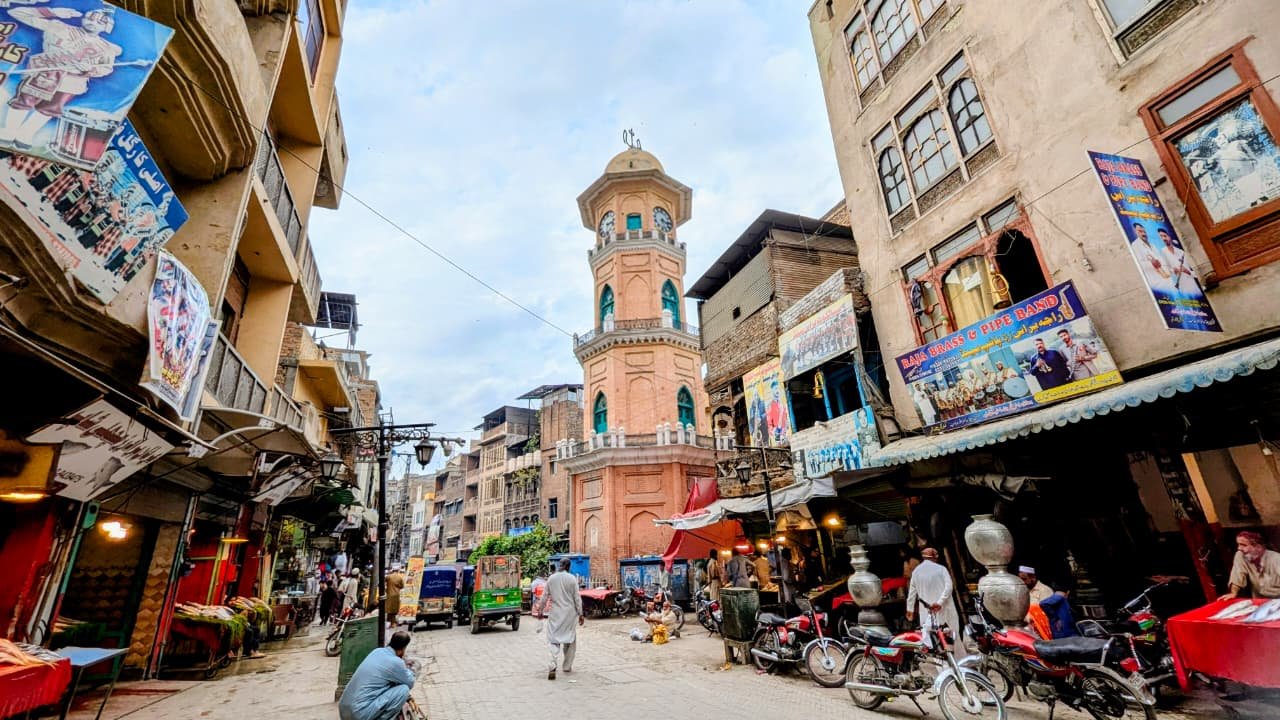
  • Visit Peshawar Mueum,Sethi House,Clock Tower
  • Drive back to Islamabad (approx. 3-4 hours).
  • End of tour.

This itinerary offers a balanced mix of cultural immersion, nature, and historical exploration with manageable travel times. Let me know if you want it customized for flights or specific interests!
Book this tour...