A Journey into Their Culture, History, Traditions, and Beliefs, Nestled in the rugged mountains of Chitral, the ancient pagans of Kailash represent a fascinating chapter in the cultural and spiritual history of the region. This community, though less known in mainstream narratives, holds a deep and rich legacy that speaks volumes about human connection with nature, spirituality, and ancient traditions.
The Kailash region in Chitral is renowned for its mystical ambiance and the presence of ancient pagan communities that have inhabited these lands for centuries. These pagans are believed to have predated the arrival of major world religions in the area, preserving their unique spiritual practices and ways of life through oral traditions and rituals.
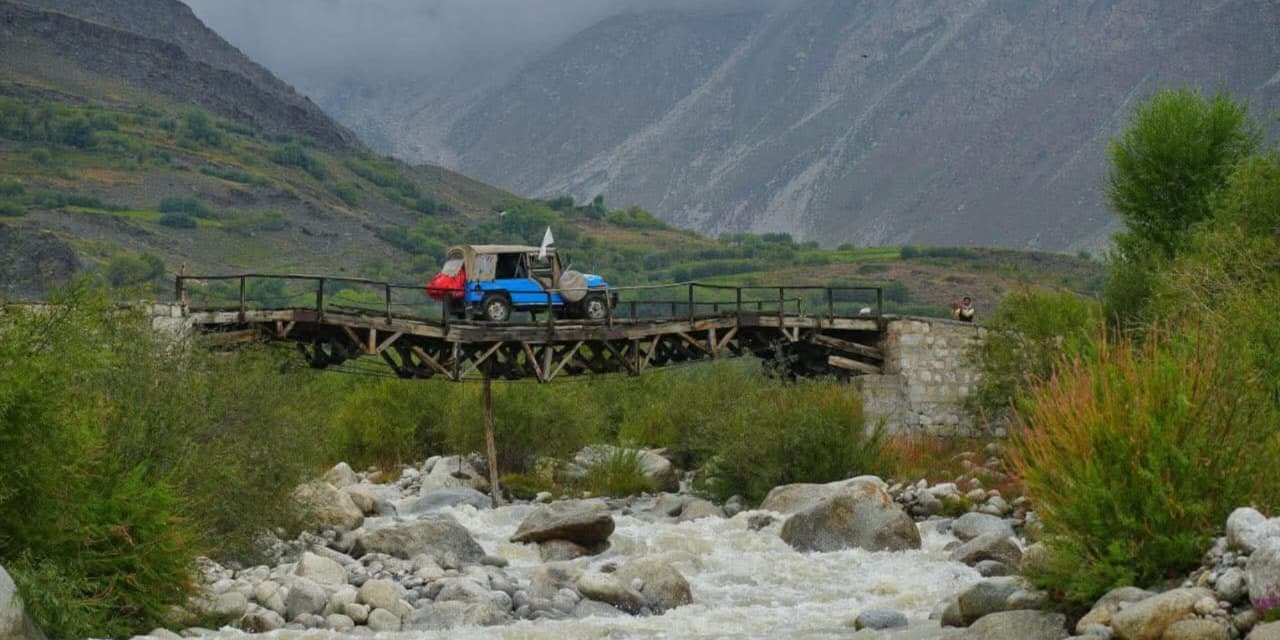
Their history is intertwined with the natural landscape majestic peaks, dense forests, and flowing rivers which they revered as sacred. The isolation of this region helped maintain their cultural purity and shielded them from external influences, allowing their ancient customs to flourish over generations.
The culture of the ancient pagans of Kailash is deeply rooted in respect for nature and the cycles of life. Their daily lives revolved around seasonal changes, agricultural cycles, and celestial events, which guided their rituals and celebrations.
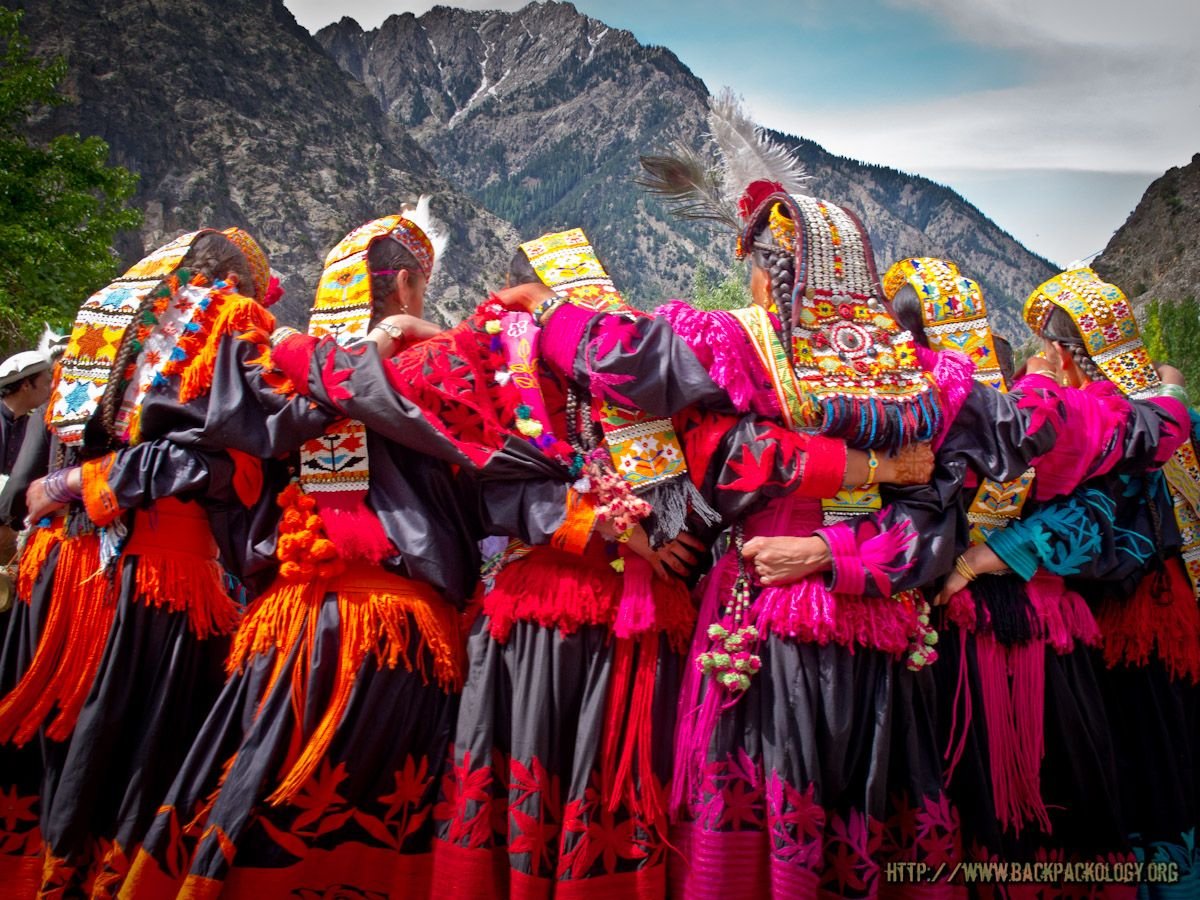
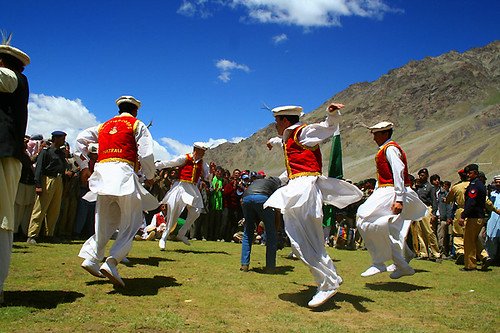
They celebrate seasonal festivals that honored the sun, moon, and earth. These festivals often included music, dance, and communal feasts, strengthening social bonds and expressing gratitude to nature.Kailash tribe , is known for its unique and vibrant cultural festivals that reflect their deep-rooted traditions and spiritual beliefs. These festivals are significant social events fostering community bonding and celebrating the tribe’s rich heritage.
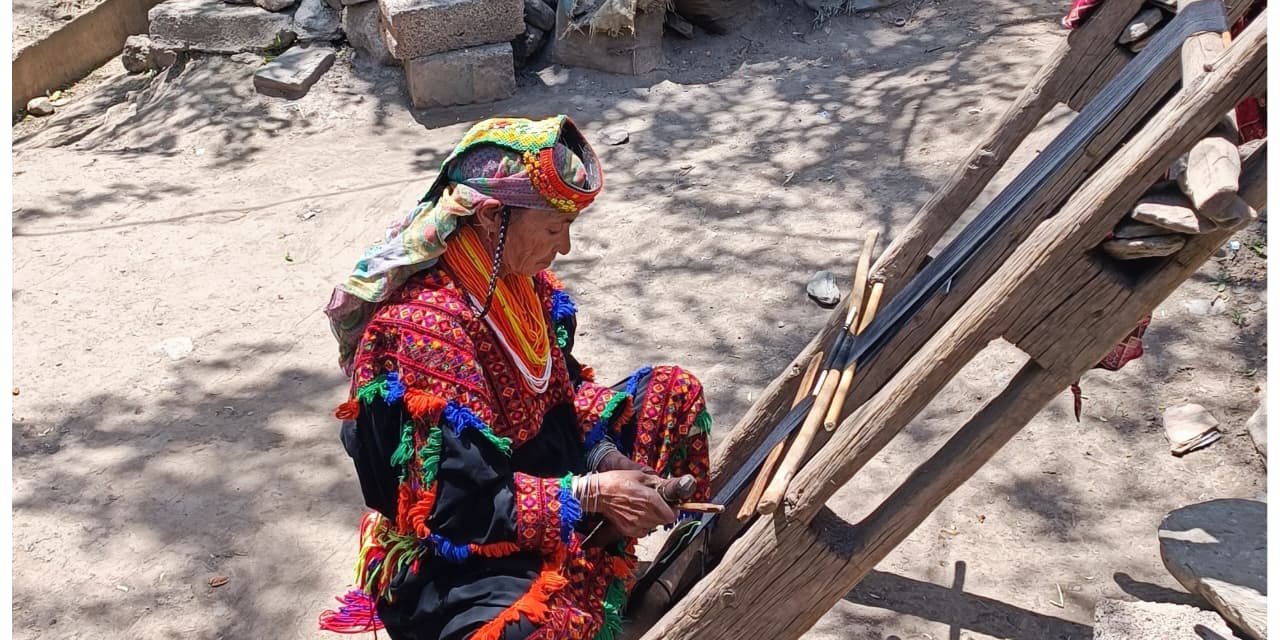
Kailash Tribe celebrate different festivals, the first festival is Joshi Festival which is Celebrated in late spring, Joshi marks the beginning of the agricultural season.The tribe performs traditional dances, music, and offers prayers to ensure a good harvest.It is a time for communal feasting and storytelling.The second festival is Uchau which held in summer, Uchau is dedicated to honoring the ancestors.Rituals involve offerings and special songs to connect with the spirits of forebears.The festival emphasizes respect for heritage and continuity of tribal identity.The third one is Chawmos Festival, which is celebrated in winter is the most prominent and long-lasting festival of the Kailash people.It lasts for about two weeks, starting in late December.Chawmos blends religious rituals, dance, music, and community gatherings.The festival includes purification ceremonies, masked dances symbolizing the battle between good and evil, and communal meals.It serves both as a spiritual renewal and a celebration of life in harsh winter conditionsTheir art was symbolic, featuring motifs of animals, plants, and celestial bodies that represented various deities and spirits. These symbols were often carved into wood, stone, or woven into textiles.Skilled in weaving, pottery, and metalwork, their craftsmanship was not only functional but also carried spiritual significance.
The spiritual beliefs of the Kailash pagans centered around animism, the idea that all elements of nature possess a spirit or life force. They believed in a pantheon of gods and spirits who controlled natural phenomena and human destiny.
Mountains, rivers, trees, and animals were considered sacred and inhabited by spirits. Rituals to appease these spirits were common to ensure harmony and protection. Ancestors were venerated as guardians and intermediaries between the physical and spiritual worlds. Offerings and prayers were made to honor them.
Shamans played a crucial role in their society as healers, spiritual guides, and mediators. They conducted ceremonies to communicate with spirits, heal illnesses, and foresee future events.
The ancient pagans of Kailash offer a unique perspective on human spirituality, emphasizing harmony with nature and the sacredness of all life forms. Their traditions remind us of the deep connections between culture, environment, and belief systems that have sustained communities for millennia.Exploring the ancient pagans of Kailash is not just a journey into the past but also an invitation to appreciate the enduring wisdom embedded in ancient cultures and their relationship with the natural world.